
Quick answer: is January a good time to visit Zanzibar?
Yes — January is one of Zanzibar’s most reliable months for beach weather. It sits in the “short dry season” between the November–December short rains and the long rains that begin around March, so you get hot, mostly sunny days (~30–32°C), a warm Indian Ocean (~28–29°C) and only brief, passing showers. The one trade-off is timing: the first week runs at New-Year peak prices and crowds, then both ease noticeably from mid-January onward — which is the sweet spot for value.
- VerdictGreat for beach & sea
- Air temp~30–32°C day / 24–25°C night
- Sea temp~28–29°C
- RainLow–moderate, brief showers
- SeasonShort dry season (high)
- CrowdsPeak early, eases mid-month
January weather in Zanzibar
January is one of Zanzibar’s hottest, sunniest stretches. Daytime highs typically reach the low‑30s (around 30–32°C / 86–90°F), while nights stay warm at roughly 24–25°C (75–77°F). Expect about 8–9 hours of sunshine on a normal day and a strong tropical sun — the UV index runs very high, so shade and sunscreen matter even when there’s a breeze.
It is not a rain-free month, but it is a long way from the wet season. Rainfall usually lands in short, passing showers — most often in the late afternoon or overnight — leaving mornings clear for tours and beach time. Humidity is high (around 75–80%), which is where the north-easterly Kaskazi monsoon earns its keep: a steady sea breeze along the coast takes the edge off the heat. Weather can still vary year to year, so treat these as typical ranges rather than guarantees.
January weather at a glance
| Daytime high | ~30–32°C (86–90°F) |
|---|---|
| Night-time low | ~24–25°C (75–77°F) |
| Sea temperature | ~28–29°C (82–84°F) |
| Rainfall | Low–moderate; brief showers over roughly 7–10 days |
| Sunshine | ~8–9 hours/day |
| Wind | Gentle NE Kaskazi monsoon breeze |
| Humidity | High (~75–80%) |
Sea & beach conditions in January
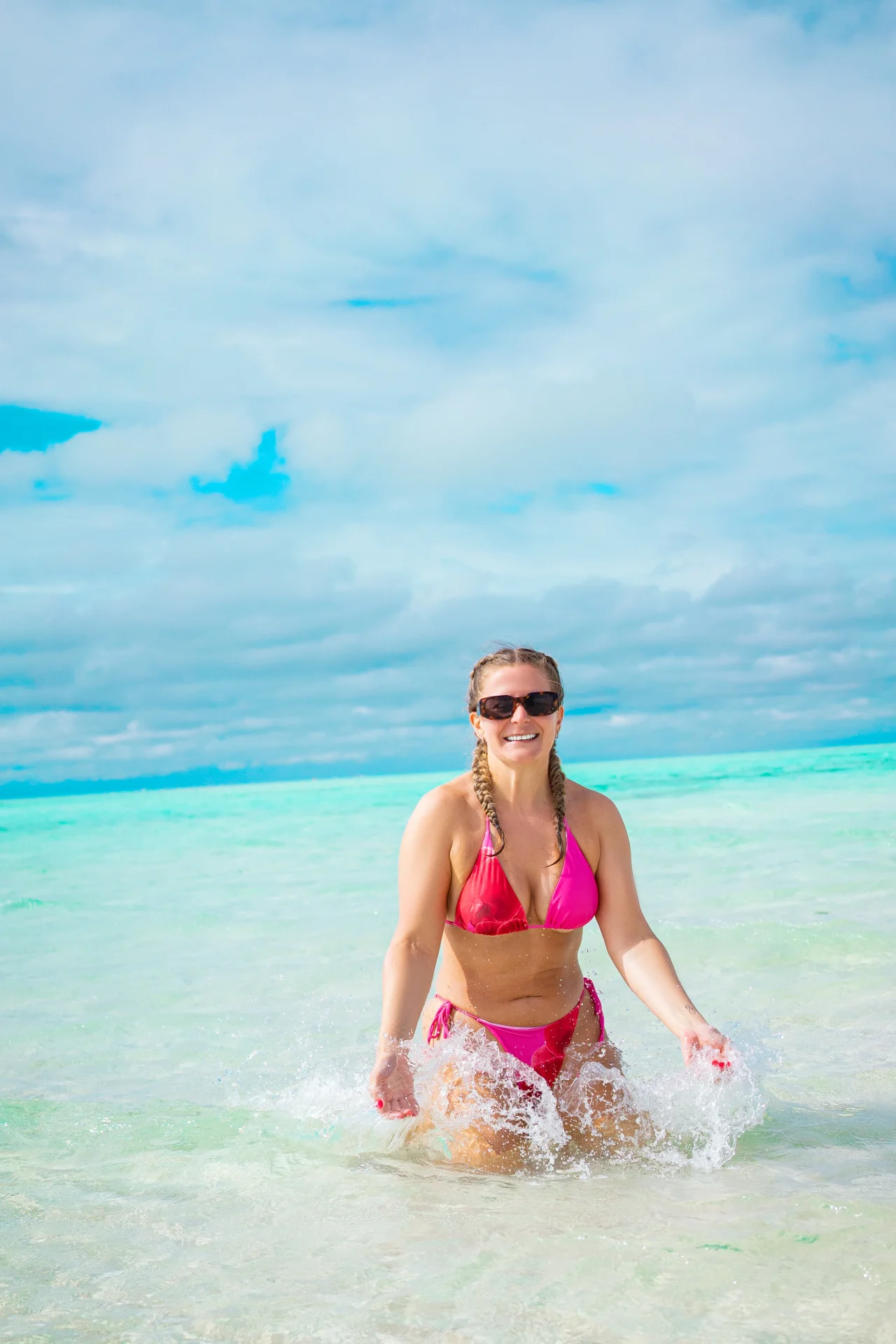
This is January’s strongest card. The Indian Ocean sits at around 28–29°C — genuinely bath-warm — so swimming, snorkelling and diving are comfortable without a wetsuit for most people. On calm days, underwater visibility around Mnemba Atoll can be very good, though it varies with wind and swell and tends to keep improving into February and March. If diving is your priority, January is a solid choice and the following months are a touch clearer.
Where you stay shapes your beach experience more than the calendar does. The north and north-west (Nungwi and Kendwa) hold deeper water through the tide, so you can swim at almost any hour. Much of the east coast (Paje, Jambiani, Bwejuu) has a wide, shallow lagoon that empties at low tide — beautiful, but better timed around high water for swimming. That same east-coast wind makes January part of the island’s kitesurfing season.
Local tip: plan water activities around the tide
On the east coast, check the day’s tide chart before booking a snorkel or swim — an hour or two either side of high tide is best. If your dates are fixed and tides are awkward, base yourself in Nungwi or Kendwa, or let us schedule reef trips like the Safari Blue day trip for the right window. It is the single easiest way to avoid a “where did the sea go?” morning.
Crowds & tourism levels
January is high season, but it is really two months in one. The first week or so is a continuation of the Christmas–New Year peak: beaches, restaurants and the best resorts are busy, and popular excursions fill quickly. From roughly the second week onward, a lot of holiday travellers head home and the island exhales — quieter beaches, easier restaurant tables and more flexibility on tours, all while the weather stays just as good.
Note one date on the calendar: Zanzibar Revolution Day on 12 January is a national public holiday, marked with events around Stone Town. It’s colourful to witness, but expect some offices and services to run on a holiday schedule that day.
January works well for
- Reliable beach weather and a warm, swimmable sea
- Snorkelling, diving and dolphin trips in warm water
- Mid-to-late January value once New-Year crowds thin
- Pairing the island with a southern Serengeti calving safari
Worth planning around
- First week runs at peak-season prices and crowds
- Hot and humid — heat-sensitive travellers should pace midday
- Occasional short showers; not a zero-rain guarantee
- East-coast swimming depends on the tide
Costs & budget in January
January’s pricing follows the crowds. Over New Year and the first week, accommodation and flights sit at their annual peak, and the best rooms sell out well in advance. Once the holiday wave passes in mid-January, resort rates soften and availability opens up — you’re still in prime weather, but paying closer to normal high-season rates rather than festive premiums.
Prices shift year to year with demand, airline routes and how far ahead you book, so we don’t publish fixed figures here. As a rule of thumb: if you can travel from the second or third week of January, you’ll usually get better value than travelling over the New-Year window for near-identical conditions. Our day tours are priced per person on a sliding scale — smaller groups pay a little more per head, larger groups less — and current “from” prices sit on each Zanzibar tours and excursions page.
Best things to do in Zanzibar in January
With warm, clear water and mostly dry days, January suits the island’s marine and cultural highlights alike. A few that shine this month:
Why January
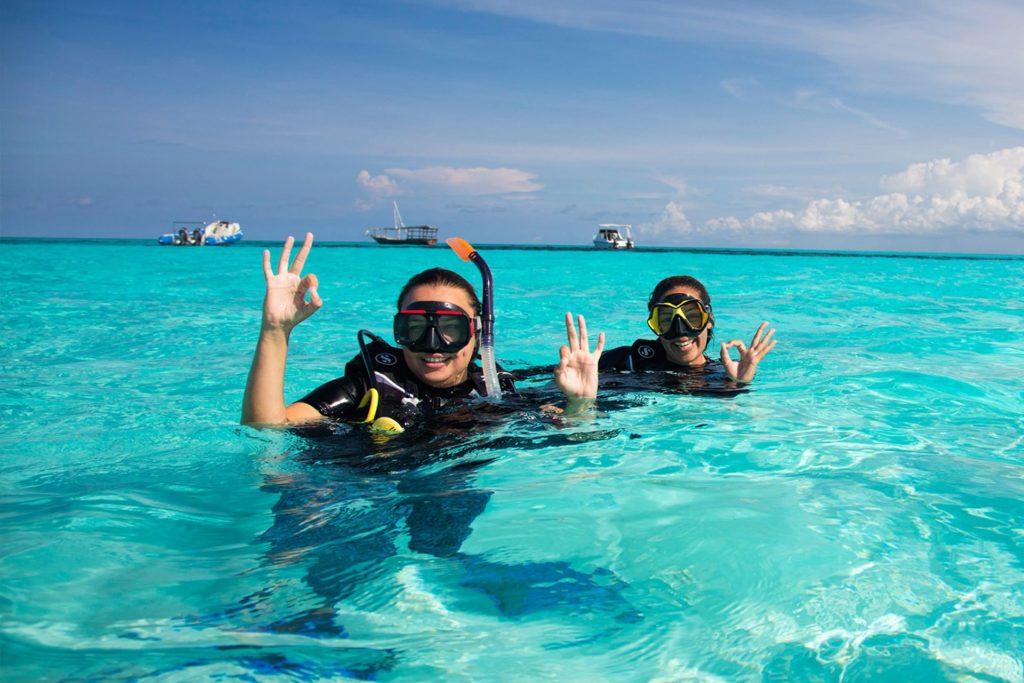
Mnemba Atoll snorkelling & dolphins
Warm ~28–29°C water and frequently calm mornings make the atoll’s reefs a highlight. Go early for the best light and conditions.
See the Mnemba snorkelling trip →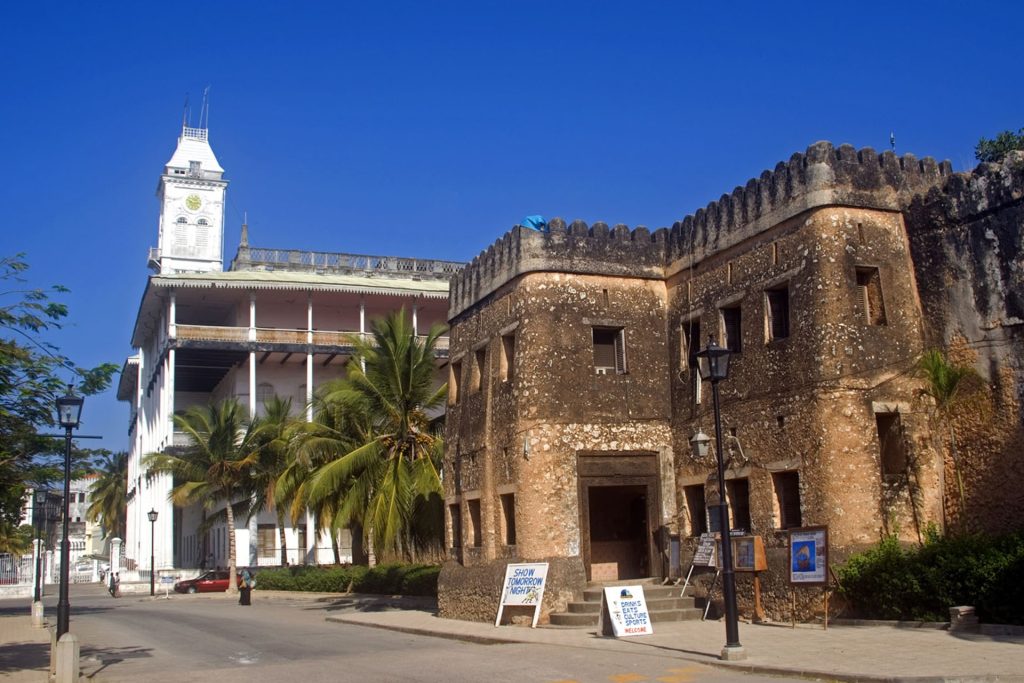
Why January
Stone Town walking tour
Shaded lanes and indoor sites make the UNESCO old town a comfortable pick during the midday heat — and a great Revolution Day vantage point.
Explore the Stone Town tour →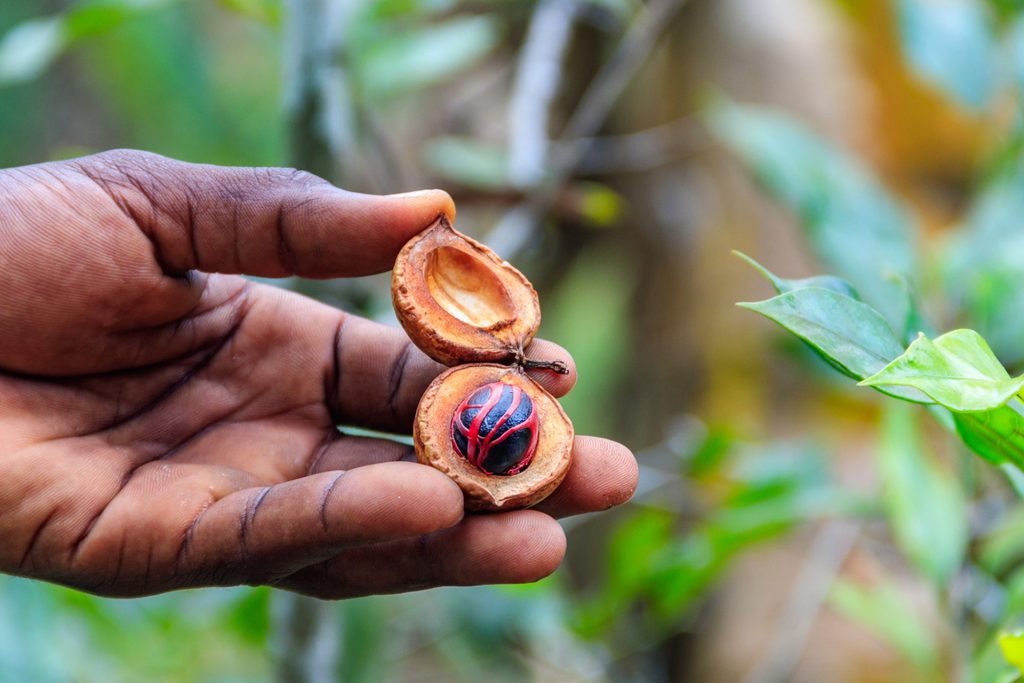
Why January
Spice farm tour
A mostly shaded, weather-proof half day that’s easy to slot in even if an afternoon shower rolls through. Tastings run year-round.
Book a spice farm tour →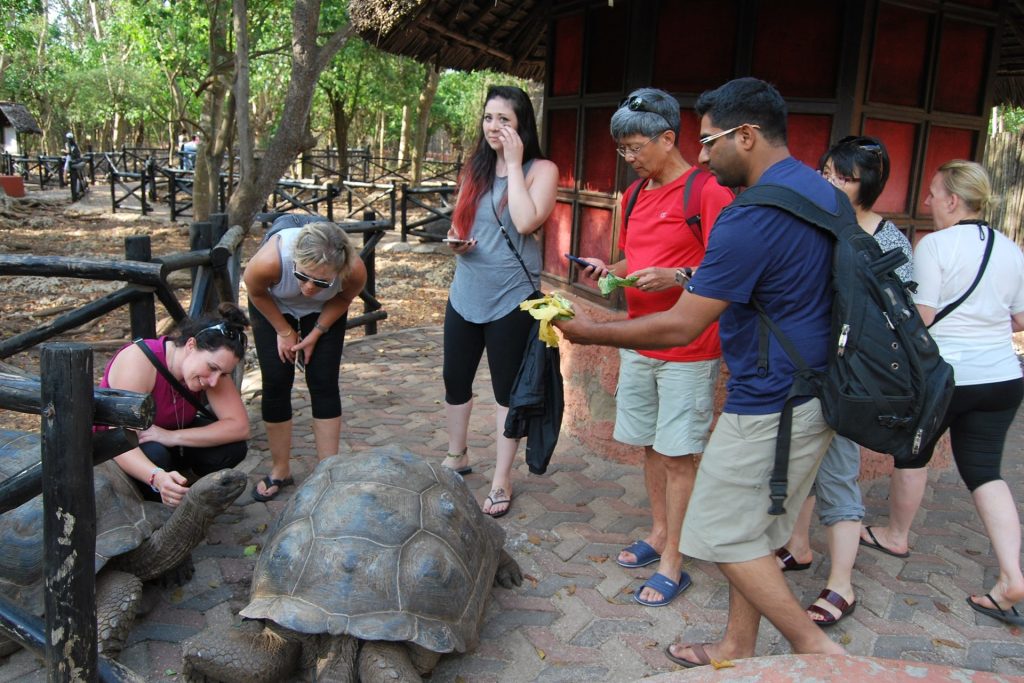
Why January
Prison Island & giant tortoises
A short, calm-water boat hop from Stone Town to meet century-old Aldabra tortoises and snorkel — ideal on settled January mornings.
Join the Prison Island tour →Beyond these, January is fine weather for a Safari Blue sandbank-and-snorkel day, scuba diving in Zanzibar, or a forest walk at Jozani Forest. For more ideas, see our full guide to things to do in Zanzibar.
January is prime time to add a mainland safari
January opens the southern Serengeti and Ndutu calving season (roughly January–March, peaking in February), when huge herds gather on the short-grass plains and predator action is at its most intense. If a Zanzibar beach week plus the Great Migration’s dramatic start is on your list, this is the month to combine them — see our safari from Zanzibar options. Camps near Ndutu book out early, so plan ahead.
Is January right for your kind of trip?
Couples & honeymooners
Warm sea, long sunny days and romantic sunset dhow evenings — excellent, especially mid-month when it’s calmer and better value.
Families
Great swimming and easy half-day tours. Mind the strong midday sun and pick a swim-friendly beach like Kendwa if tides matter to you.
First-time visitors
One of the most forgiving months to sample it all — beaches, Stone Town, reefs and spice farms — with dependable weather.
Divers & snorkellers
Warm water and good conditions on calm days; visibility generally keeps improving toward February–March if that’s your focus.
Safari-combo travellers
Arguably January’s standout: pair the island with southern Serengeti calving season for a beach-plus-wildlife trip.
Budget travellers
Skip the New-Year week. From mid-January the same weather comes at more reasonable high-season rates.
January vs December & February
January’s closest neighbours are broadly similar — all hot, all in the short dry season — but the differences are worth knowing when you’re choosing dates.
| Month | Weather | Crowds & price | Best for |
|---|---|---|---|
| December | Hot; a few tail-end short-rain showers early, drying later | Highest — Christmas & New Year peak | Festive holiday atmosphere |
| January | Hot, sunny; brief passing showers | Peak first week, then eases | Reliable beach + safari combo |
| February | Marginally the hottest; dive visibility building | High but often calmer than the holidays | Diving & the Sauti za Busara festival |
In short: choose December for festive energy, January for dependable sun that gets better value mid-month (and the best safari pairing), and February for the clearest water and Stone Town’s music festival. For the full year, see our best time to visit Zanzibar guide.
What to pack for Zanzibar in January
- Lightweight linen or cotton clothing
- Swimwear and a quick-dry cover-up
- High-SPF, reef-safe sunscreen
- Sunhat and sunglasses
- Insect repellent for evenings and forests
- Modest cover for Stone Town & villages
- A light layer for breezy boat rides
- Reusable water bottle — hydration matters
Local tip: book the headline tours before you fly
Over the New-Year window and the first two weeks, the most popular trips — Mnemba, Safari Blue and sunset cruises — fill fastest. If your dates are set, reserve those early and keep the rest flexible around the weather. You can plan the lot with us over WhatsApp before arrival, and we’ll sort airport transfers so nothing stalls on day one.
Plan your January trip with a local team
From day tours and reef trips to a full Zanzibar holiday package or a mainland safari add-on, we’ll shape it around your dates, the tides and your budget — no pressure, just local advice.
January in Zanzibar: FAQs
Is January a good time to visit Zanzibar?
Yes. January sits in the short dry season and delivers hot, mostly sunny days and a warm sea, making it one of the more dependable months for a beach trip. The main thing to plan around is timing — the first week is peak New-Year season, while mid-to-late January offers the same weather with fewer crowds and better value.
Does it rain in Zanzibar in January?
It can, but not much. January is between the two rainy seasons, so any rain usually comes as short showers — often in the late afternoon or overnight — rather than all-day downpours. Mornings are typically clear. It’s not a zero-rain guarantee, but rain rarely disrupts a January itinerary.
How hot is Zanzibar in January?
Hot. Daytime highs are usually around 30–32°C (86–90°F), with warm nights near 24–25°C (75–77°F) and high humidity. A steady coastal sea breeze helps, but the midday sun and UV are strong, so shade, water and sunscreen are essential.
Is the sea warm enough for swimming and snorkelling?
Very much so. Sea temperatures sit around 28–29°C — comfortable without a wetsuit for most people. Snorkelling and diving are good, and on calm days visibility around Mnemba Atoll can be excellent, though it varies with wind and improves further into February and March.
Is Zanzibar crowded in January?
The first week or so is busy as the Christmas–New Year peak winds down. From roughly the second week, many holiday travellers leave and the island becomes noticeably quieter while the weather stays just as good — the best window for space and value.
Is January expensive?
Prices peak over New Year and the first week, then ease from mid-January. We don’t quote fixed figures because rates move with demand, flights and how early you book — but travelling from the second or third week usually gives better value for near-identical conditions.
Is January a good time for a safari from Zanzibar?
Yes — it’s one of the best. January opens the southern Serengeti and Ndutu calving season (about January–March, peaking in February), with dense herds and high predator activity. It pairs naturally with a Zanzibar beach week, but camps book out early, so arrange it well ahead.
Do I need to worry about mosquitoes in January?
Mosquitoes are present in Zanzibar year-round, and malaria precautions are advised whatever the month. Use repellent (especially at dusk and near forests and farms), and check current guidance from your doctor or a source such as the CDC Tanzania travel-health page before you go.
Climate figures are typical long-term ranges from public sources including Climates to Travel and standard weather averages; conditions vary year to year. Stone Town is a UNESCO World Heritage Site. Guidance reflects local operating experience — Blue Green Zanzibar Tours, Mkunazini Street, Stone Town, since 2014.