
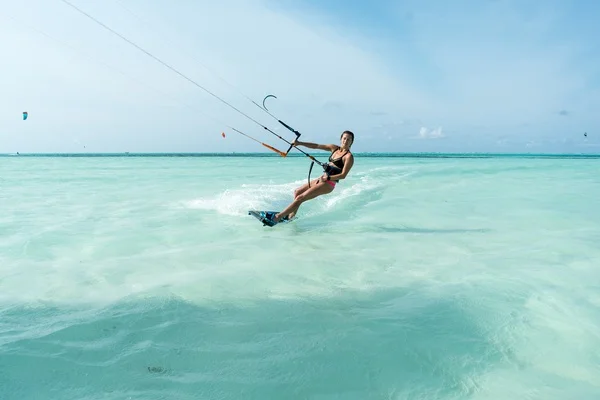
Kite surfing in Zanzibar is best experienced at Paje Beach, with ideal conditions also at Jambiani and Matemwe. The two main seasons areJune–September(Kusi winds, 15–25 knots) and December–March (Kaskazi winds, 12–20 knots). Sessions start from $80 per hour, and no prior experience is required — IKO-certified instructors cater to all skill levels.
- Expert Guides
- Easy Booking
- 24/7 Support
Overview
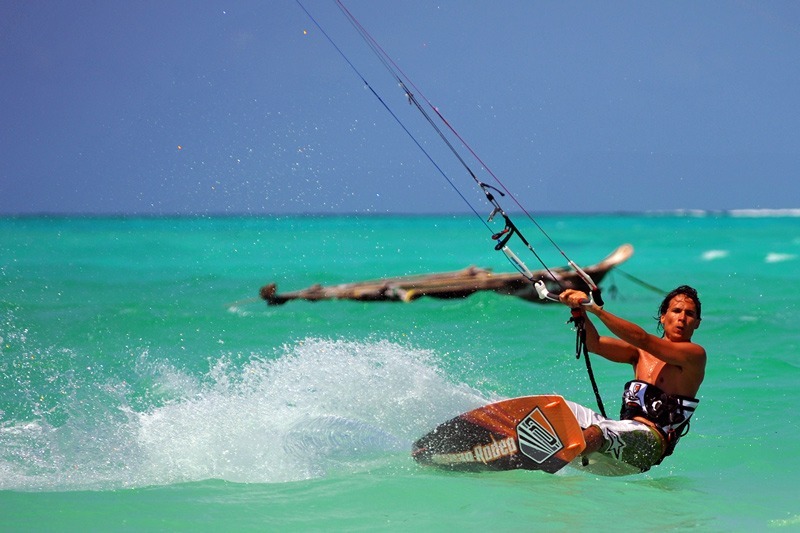
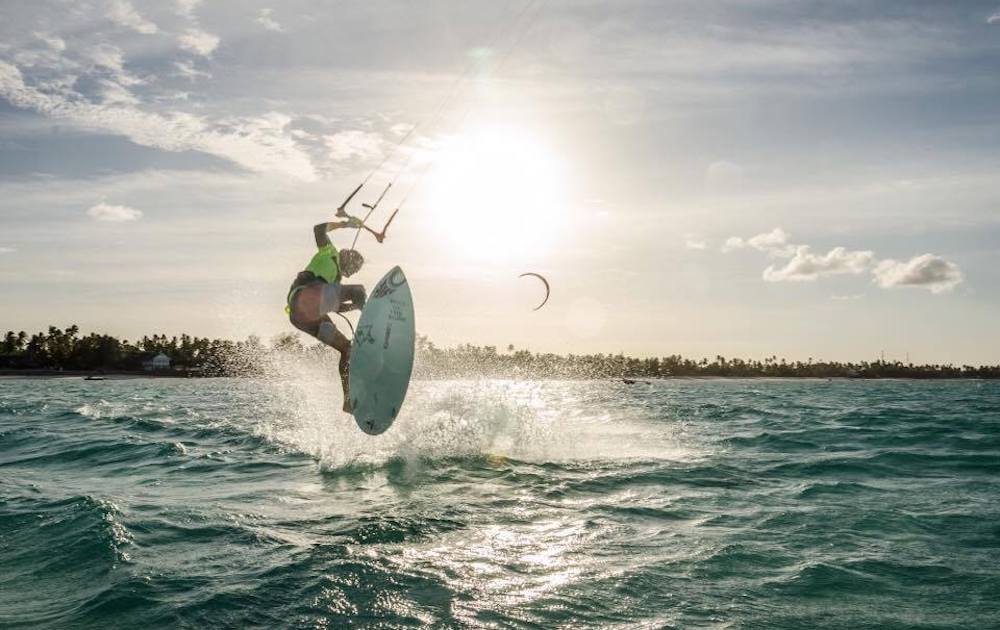
Experience the thrill of kite surfing in Zanzibar, one of the world’s top destinations for this exhilarating watersport!
Whether you’re a beginner looking to learn or an experienced rider seeking the perfect wind conditions, our kite surfing tour is designed for all skill levels.
Tour Highlights
World-Class Kite Spots
Kite in the stunning waters of Paje, Jambiani, and Matemwe, where the wind is steady, the beaches are endless, and the views are breathtaking.
Ideal Wind Conditions
Side-onshore winds from December to March (Kaskazi) & June to September (Kusi) ensure perfect riding conditions for all levels.
Expert Coaching for All Levels
Whether you’re just starting out or looking to master big jumps and freestyle tricks, our experienced instructors will guide you.
Top-Quality Equipment Rental
No gear?
No problem!
We provide the latest kites, boards, harnesses, and safety gear for an optimal experience.
Downwind Kite Safari
Take your skills to the next level with an exhilarating downwind ride along Zanzibar’s breathtaking coastline.
Flat Water & Small Waves
Perfect for beginners learning to ride and advanced riders wanting to practice freestyle tricks.
Warm Tropical Waters
No wetsuits needed!]
Enjoy crystal-clear, waist-deep water, making it easier to learn and progress.
Booking & Transportation options
Reserving your kite surfing adventure with us is quick and stress-free!
Simply fill out our booking form, or reach out to us via call or WhatsApp for instant assistance.
We offer multiple payment options to suit your preference, including credit cards (Visa, MasterCard, American Express), bank transfers, and cash payments.
For added convenience, we also arrange comfortable transport from your accommodation straight to the kite spot, ensuring a smooth and hassle-free experience.
Why Is Zanzibar One of the World’s Best Kite Surfing Destinations?
Zanzibar sits just below the equator, roughly 35 kilometres off the coast of mainland Tanzania. That geography isn’t just a postcard backdrop — it’s the engine behind world-class kite conditions. The island is exposed to two distinct Indian Ocean trade wind systems that deliver reliable, side-onshore winds for roughly six months of each year.
The east coast, anchored by the village of Paje, sits behind an offshore coral reef that creates a natural lagoon. At low tide this lagoon becomes a vast, shallow playground of flat water — waist-deep in most places, with a sandy floor. For beginners learning to waterstart, this is about as close to perfect as it gets. For advanced riders, the reef break 1.5 kilometres offshore delivers waves reaching up to 3.5 metres at peak swell.
Add warm water that never drops below 24°C, no wetsuits required, white-sand beaches stretching for kilometres, and the fact that a full Zanzibar itinerary can combine kiting with spice tours, dhow cruises, and wildlife safaris — and you have a destination that keeps riders coming back year after year.
Local tip: Wind typically builds through the morning and peaks in the early afternoon. The best kite window is usually 10am–5pm. During peak season, evenings can stay breezy enough for spectacular sunset sessions over the Indian Ocean.
Tour Gallery
kite surfing
kite surfing 9
kite surfing 8
kite surfing 6
kite surfing 3
kite surfing 4
kite surfing 5
kite surfing 7
What Are the Best Kite Surfing Spots in Zanzibar?
Zanzibar has four main kite locations. Paje draws the most riders, but each spot suits a different style and experience level.
🏖 Paje Beach
Best OverallThe kite capital of Zanzibar. Flat-water lagoon at low tide, reef waves at high tide. Consistent side-onshore winds, wide sandy beach, highest concentration of schools and rental gear.
🏖 Jambiani
Less CrowdedA few kilometres south of Paje with similar conditions but far fewer riders — ideal if you prefer open water. Quieter village setting with a more local atmosphere.
🏖 Matemwe
Advanced RidersNortheast coast. Deeper water and stronger gusts make it well-suited for experienced kiters wanting big air or wave riding. Less tourist infrastructure on-site.
🏖 Nungwi / Kendwa
Casual / SocialLess consistent than the east coast but works for experienced riders during strong Kaskazi sessions. Pairs well with Zanzibar's most vibrant beach nightlife scene.
| Spot | Best For | Water Type | Wind Consistency | Crowds |
|---|---|---|---|---|
| Paje | All levels | Flat lagoon + reef waves | ★★★★★ | High in season |
| Jambiani | Intermediate–Advanced | Flat lagoon | ★★★★☆ | Low |
| Matemwe | Advanced | Deeper + waves | ★★★★☆ | Very low |
| Nungwi | Experienced riders | Open water | ★★★☆☆ | Moderate |
Tour Price
Important Note: Transportation costs are not included in the listed prices, as they depend on the distance from your hotel. Please get in touch with us, and we’ll provide a tailored quote that includes transfer costs based on your hotel’s location.
Price Includes
- Guided Sessions
- All equipment
- Lunch (for full day package)
- All government fees
- Transfer from and return to your hotel is available only for the extra costs
When Is the Best Time to Go Kite Surfing in Zanzibar?
Zanzibar has two reliable kite surfing seasons driven by Indian Ocean trade winds. Outside these windows, wind becomes inconsistent and the island enters its rainy season.
☁ Kusi Season
Mid-June to Mid-October
Southeast trade wind. 15–25 knots — sometimes higher. Best for experienced riders; reef waves reach 3.5m. Average air temp 26°C.
🌤 Kaskazi Season
December to Mid-March
Northeast trade wind. 12–20 knots — steadier and gentler. Ideal for beginners and freestyle. Water 28–30°C, consistently sunny skies.
🌧 Low / Shoulder Season
April–May & November
Long rains April–May bring unreliable wind. November is transitional. Fewer crowds and lower accommodation prices.
Which Season Is Better for Beginners?
The Kaskazi season (December–March) is recommended for first-timers. Winds of 12–20 knots are more manageable, the lagoon at Paje is calmer, and dry sunny conditions are almost guaranteed throughout your stay.
Which Season Is Better for Advanced Riders?
The Kusi season (June–September) delivers the strongest and most consistent wind, often building to 25+ knots during July and August. The Paje reef fires up with powerful waves, and downwind runs along the coast become truly epic.
📅 Peak within peak: July–August are the busiest kite months at Paje — book accommodation and lessons at least 4–6 weeks in advance. Our team can help plan your full itinerary around the wind forecast — get in touch here.
Can Beginners Learn to Kite Surf in Zanzibar?
Yes — and Zanzibar is one of the easiest places in the world to learn. The shallow flat lagoon at Paje means your first sessions happen in knee-to-waist-deep water with a sandy floor. No cold water shock, no rocks, no strong currents.
Most beginners follow the IKO (International Kiteboarding Organization) progression:
- Theory and safety briefing (1–2 hrs) — kite anatomy, wind window, right of way, self-rescue
- Beach kite flying (1–2 hrs) — trainer kite control on dry land before water entry
- Body dragging (2–4 hrs) — being pulled through the water by the kite without a board
- Board introduction and waterstart (3–6 hrs) — the most challenging milestone
- First independent rides — riding in both directions, building confidence
A complete beginner typically reaches step 5 over 9–12 hours of lessons across 3–4 days. Zanzibar’s consistent wind and forgiving lagoon make progress noticeably faster than at most other global destinations.
All equipment is provided — including an appropriately sized kite (typically 12–14 metres for beginners) matched to your body weight and the day’s conditions. On your off-wind days, consider exploring scuba diving in Zanzibar to see the island from another angle entirely.
What Does Zanzibar Offer Advanced Kite Surfers?
For riders who already have their waterstart and can ride both directions, Zanzibar offers a compelling combination of flat-water freestyle and open-ocean wave riding — often on the same day.
Downwind Kite Safaris
One of the most unique experiences on the island is a downwind kite safari — launching from Paje and riding south along the coast to Jambiani, covering around 10 kilometres of open ocean and deserted beach. Done with a safety boat escort, this provides an unmatched perspective of Zanzibar’s coastline that simply can’t be replicated at most kite destinations worldwide.
Wave Riding at the Paje Reef
At high tide, the coral reef 1.5km offshore generates clean, consistent waves. During Kusi season, face heights of 1.5–3.5 metres are common on good swell days. A minimum of three riders and a safety boat escort is strongly recommended for reef sessions.
Freestyle Progression
The Paje lagoon at low tide is a natural freestyle gymnasium. The shallow, flat, chop-free water is ideal for working on transitions, unhooked tricks, and big air. The side-onshore Kusi wind provides a predictable power window all afternoon.
Is Kite Surfing in Zanzibar Safe?
Kite surfing carries inherent risks like any board sport, but Zanzibar’s flat-water lagoon removes two of the most common beginner hazards — strong current and ocean waves — from the learning environment. Follow instructor guidance and use appropriate equipment, and the sport is very manageable at all stages.
Key Safety Principles
- Always learn with certified instructors. IKO-certified coaching ensures you learn correct kite control, self-rescue, and right-of-way rules from the start.
- Respect the wind window. Never kite in winds above your kite size’s rated range, and land your kite if conditions deteriorate.
- Check tides before launching. Extreme low tide makes the lagoon very shallow — great for learning, but mind your board fins. High tide opens up deeper water and reef access.
- Wear sun protection. Zanzibar is close to the equator — UV is intense even on cloudy days. Apply SPF 50+ and wear a long-sleeved rash guard for every session.
- Respect other beach users. Paje is shared with swimmers and other kiters. Maintain clear launch zones and follow right-of-way rules at all times.
What to Wear for Kite Surfing in Zanzibar
No wetsuit required. Water temperatures stay between 24°C and 30°C year-round. A long-sleeved UV rash guard, boardshorts or bikini, and optional water shoes covers everything you need. Leave valuables at your hotel.
What Else Can You Do Alongside Kite Surfing in Zanzibar?
Kite seasons don’t produce wind every single day. On rest days, Zanzibar rewards explorers with a remarkable range of experiences.
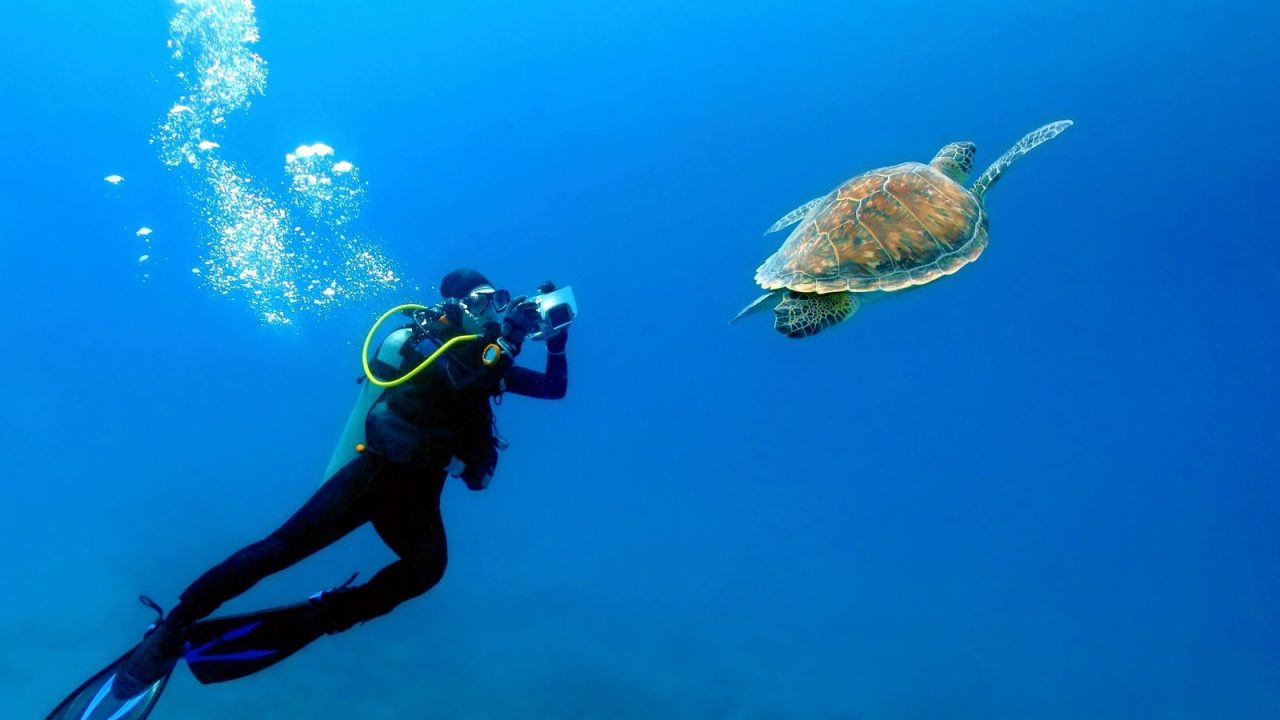
- Off-wind underwater: Scuba diving near Mnemba Atoll puts you face-to-face with turtles, whale sharks, and extraordinary reef life. From $110.
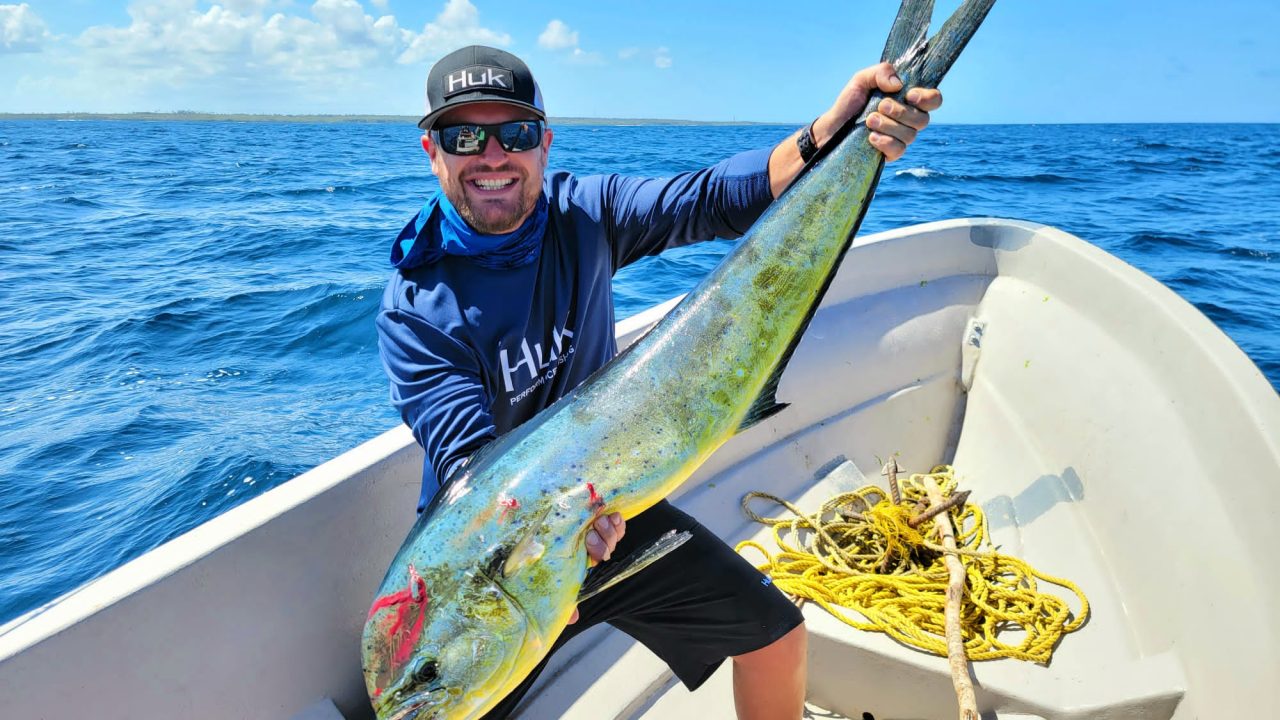
- Ocean adventure: Game fishing in Zanzibar chases marlin, tuna, and sailfish in deep water. From $350.
- Culture and history: Stone Town is a UNESCO-listed city covering the spice trade, Swahili architecture, and the history of the Indian Ocean slave market. From $17.
- Land adrenaline: Quad biking through the interior or horse riding along the beach make for energetic no-wind-day alternatives.
- Wildlife: Swimming with dolphins at Kizimkazi is a half-day experience like nothing else on the island.
- Safari extension: Zanzibar is 25 minutes by air from Dar es Salaam, placing you within reach of Tanzania’s greatest safari parks — Serengeti, Mikumi, and the Selous.
Practical Tips Before Your Kite Surfing Session
What to Bring to the Kite Beach
- Long-sleeved rash guard — UV protection is critical near the equator
- Reef-safe sunscreen SPF 50 or higher
- Sunglasses with a retention strap (polarised recommended)
- A dry change of clothes and a light towel
- 1–2 litres of water — you’ll sweat more than you expect
- Waterproof bag for your phone and valuables
- Water shoes — helpful for low-tide walks across the lagoon floor
What Kite Size to Expect
Your instructor selects the right kite for your weight and the day’s wind. As a guide: beginners typically use 12–14m for stability; intermediate riders 9–12m depending on wind strength; advanced riders carry a quiver of 7, 9, and 12m to cover all Zanzibar conditions. During peak Kusi (July–August), a 9m is often sufficient for a 75kg rider.
Getting to Paje from Stone Town or Your Hotel
Paje is approximately 55 kilometres from Stone Town — around 75–90 minutes by road. A private transfer is the most comfortable option and can be included in your kite booking. Shared dala-dala minibuses are available but involve multiple stops and variable journey times.
FAQs About Kite Surfing in Zanzibar
What is the best time to kitesurf in Zanzibar?
The prime kite surfing seasons are from mid-June to mid-October and from December to mid-March. During these periods, the island experiences steady trade winds—Kusi from the southeast and Kaskazi from the northeast—providing ideal conditions for kite surfing
Which are the best kite surfing spots in Zanzibar?
Paje Beach is renowned for its consistent winds and flat, shallow waters, making it ideal for both beginners and advanced riders. Other notable spots include Nungwi, Jambiani, and Matemwe, each offering unique conditions and beautiful settings
What are the wind conditions like in Zanzibar?
Wind speeds typically range between 12 to 25 knots, with the Kusi wind blowing from the southeast between June and October, and the Kaskazi wind blowing from the northeast between December and March. These consistent winds create favorable conditions for kite surfing.
Is kite surfing in Zanzibar safe?
Yes, kite surfing is safe when proper guidelines are followed. It’s essential to take lessons from certified instructors, use appropriate equipment, and be mindful of weather conditions. Always adhere to local regulations and respect other beach users.
What should I wear to protect against the sun?
The sun in Zanzibar can be intense. It’s advisable to wear a long-sleeved lycra or rash guard, apply high SPF sunscreen, and consider wearing a hat or helmet to protect against UV exposure
Are there activities to do on non-windy days?
Absolutely! On days without sufficient wind, you can enjoy stand-up paddleboarding, explore the island’s rich culture and history, or relax on the pristine beaches.
Got more questions? Don’t hesitate to reach out to us! We’re here to make sure your Kite Surfing experience is everything you’ve dreamed of and more.
Kite Surfing Location
Related Tours
Our Happiest Clients
Posted on Tripadvisor
 Zdenka DJune 11, 2026
Verified
Blue Green Zanzibar Tours and Safari Our experience with Blue Green Zanzibar Tours and Safari was excellent! We took 6 trips together. All of them went very smoothly. Communication with the guide Wadi was very friendly and fast. Wadi and the entire team who took care of us during trips were very nice and helpful. They willingly met our requests and wishes. Prices and calculations for the trips were transparent and final. Reliability, punctuality and care! We definitely recommend Blue and Green Zanzi.Posted on Tripadvisor Renata RJanuary 29, 2026Amazing tour – highly recommended! The tour was excellent. Our guide, Nassor, picked us up directly at the ferry terminal and stayed with us from start to finish. He shared many interesting stories and demonstrated great knowledge throughout the entire tour. We first took a boat to Prison Island (the turtle island), then visited the sandbank, where a wonderful seafood lunch was prepared for us. After that, we returned to the city for the historical tour. The team also helped us with purchasing the ferry tickets, which was extremely helpful and made everything much easier. I highly recommend this tour!Posted on Tripadvisor
 Sahil MJanuary 8, 2026A Dream Realized In Zanzibar My Family's Unforgettable Week in Zanzibar with Blue Green Zanzibar Tour and Safari Like many, my first glimpse of Zanzibar was through the captivating videos on TikTok. The turquoise waters, pristine beaches, and vibrant culture sparked a dream within me, a dream I finally realized this past November with my family. As an Irish native, planning a trip to such a distant and exotic locale felt daunting, especially when initial attempts to connect with various tourist companies proved fruitless. Misinformation was rampant, and responses were slow or nonexistent, leaving me feeling frustrated and uncertain. That's when I stumbled upon Blue Green Zanzibar Tour and Safari. From the moment I reached out, I experienced a level of responsiveness and care that was truly exceptional. Wadi, our contact at Blue Green Zanzibar Tour and Safari, immediately understood my vision for a week long family adventure in Zanzibar. He meticulously crafted a personalized itinerary, taking into account our interests and preferences. From the moment we touched down at the airport, Blue Green Zanzibar Tour and Safari took care of everything. A friendly driver greeted us and transported us to our hotel, setting the tone for a week of seamless travel. Each day, our dedicated driver arrived promptly, ready to whisk us away to new and exciting experiences. We explored spice plantations, swam with dolphins, wandered through the historic streets of Stone Town, and relaxed on the beaches. all without a single worry or logistical hiccup. What truly set Blue Green Zanzibar Tour and Safari apart was their commitment to comfort, relaxation, and attention to detail. Every aspect of our trip was carefully considered, ensuring a stress-free and enjoyable experience for the entire family. There were no hidden fees, no unexpected surprises, and no high-pressure sales tactics. Just genuine hospitality and a desire to make our vacation truly special. I wholeheartedly recommend Blue Green Zanzibar Tour and Safari to anyone planning a trip to this enchanting island. While there are many travel companies to choose from, Blue Green Zanzibar Tour and Safari stands out for its transparency, integrity, and personalized service. With Wadi at the helm, you can rest assured that your trip will be meticulously planned and flawlessly executed. He is an amazing person who organized my trip and everything go perfect, smoothly. Thanks to Wadi, my family and I created memories that will last a lifetime. If you want to experience the magic of Zanzibar without the stress of planning, look no further than Blue Green Zanzibar Tour and Safari. You won't be disappointed!Posted on Tripadvisor
 Radhika MajmudarDecember 14, 2025Highly recommend! I just wanted to say thanks to entire team we had the most precious experience from booking to taking the cab, safari blue and the ride back everything was flawless highly highly recommend. We did the private tour and it was the best decision we made, we felt like royalty. Thank you so much taking back amazing memories, the guide, the captain and the crew members were all friendly polite and the must fun. And the lunch oh my god it was scrumptious.. Thank you once again!Posted on Tripadvisor
 Jürgen HDecember 6, 2025Ein Erlebnis Die Tour hat uns sehr gut gefallen, besonders die Besichtigung der Gewürzfarm. Die deutschsprachige Guide war klasse. Es war ein echtes Erlebnis, auch für meine Frau, die nur schlecht Englisch versteht. Das Mittagessen und der Nachtisch mit frischen Früchten war sehr schmackhaft. Die deutschsprachige Tour durch Stone Town war ebenfalls gut, aber insgesamt nicht so toll wie die Spice Farm.Posted on Tripadvisor
 DTDOctober 28, 2025Outstanding experience with Blue Green Safari Zanzibar! We had an amazing experience with Blue Green Safari. From start to finish, the team was highly professional, punctual, and incredibly accommodating. We were traveling with two toddlers, and they went out of their way to make everything smooth and comfortable for us — adjusting plans when needed and always being patient and kind. What really stood out was their genuine care and flexibility. They didn’t just treat us like clients; they truly cared about our experience. They even helped us arrange donations for a local school and village, which meant a lot to us and made the trip feel even more meaningful. If you’re planning any tours or excursions in Zanzibar, I can’t recommend Blue Green Safari enough. They’re reliable, thoughtful, and go above and beyond to ensure you have a memorable and stress-free experience.Posted on Tripadvisor
 Ellie Theaker PriceOctober 16, 2025Dolphin, snorkelling and Mnemba island tour Amazing experience! 100% recommend this company and the dolphin/snorkelling trip. The captain and the tour guide were unreal and the tour guide went out of his way to make sure we got unreal videos and memoriesPosted on Tripadvisor
 filipa mOctober 1, 2025Blue and Green Zanzibar - Tours and Safari Thank you very much for the incredible experience! Your service was truly amazing, and we were so happy during our entire stay. Every driver and guide we met was professional, friendly, and went above and beyond to make our trip special. A big thank you to our driver Hamdun, he was such a great companion throughout our travels. Always in a good mood, playing great music, helpful, and smiling. He really made the journey even more enjoyable. A special mention also goes to Nasser, our guide for the Blue Safari. Nasser was beyond amazing! Such a great guy, friendly, fun, super helpful, and just a joy to be around. He made the whole day unforgettable. The guides at Nakupenda also took excellent care of us and prepared a fantastic lunch. Everything was perfectly arranged. It was an unforgettable trip, thanks to you and the entire team. We’ll truly miss Zanzibar. Thank you again!Verified by TrustindexTrustindex verified badge is the Universal Symbol of Trust. Only the greatest companies can get the verified badge who has a review score above 4.5, based on customer reviews over the past 12 months. Read more
Book your Kite Surfing Tour
Quickly book this tour through a form below, or reach us directly through our contacts