
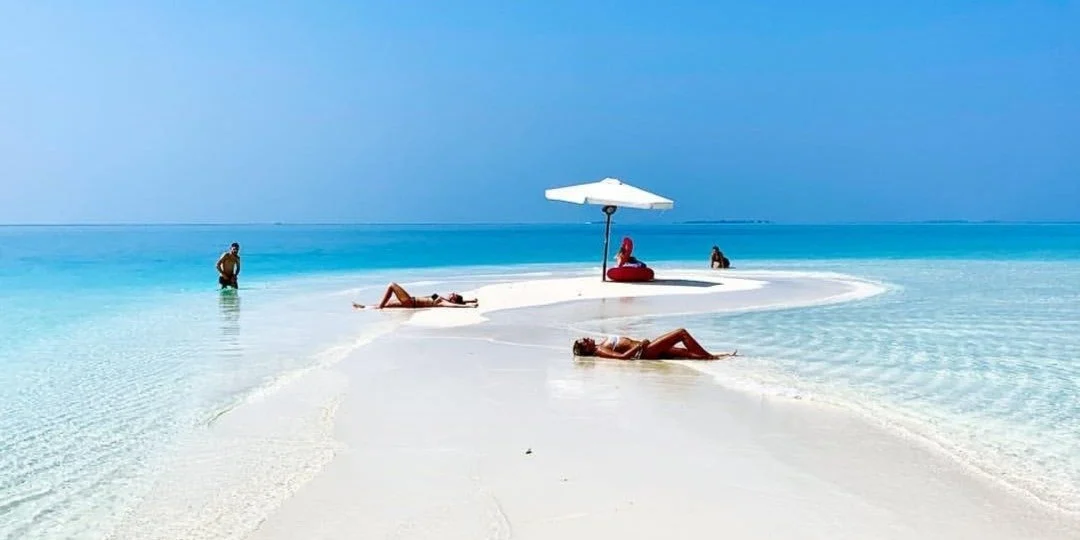
Nakupenda Sandbank is a stunning, temporary sandbank off Stone Town, Zanzibar, that appears during low tide, creating a small island of soft white sand surrounded by crystal-clear turquoise waters. Named “Nakupenda” (Swahili for “I love you”), it’s a top day-trip destination for swimming, snorkeling among colorful fish and sea stars, relaxing, and enjoying fresh grilled seafood lunches right on the sand. Most visitors reach it by traditional boat from Stone Town in 20–30 minutes, often combining it with nearby Prison Island.
Welcome to our complete guide to Nakupenda Sandbank in Zanzibar – the ultimate resource for international travelers dreaming of that perfect slice of paradise.
If you’re planning a trip to Zanzibar and want to experience one of its most magical spots, you’ve come to the right place. Nakupenda Sandbank (also called Nakupenda Beach or Nakupenda Island) is a true highlight: a pop-up oasis of powdery white sand floating in endless shades of blue. It’s not a permanent island – the sand emerges at low tide and gently disappears as the water rises – which makes every visit feel special and unique.
As the team at Blue Green Zanzibar Tours, we’ve taken thousands of guests to Nakupenda over the years. We know the tides, the best boat captains, the hidden corners with the clearest water, and how to make the day feel relaxed and personal rather than rushed.
Whether you’re traveling solo, as a couple, with family, or in a group, this guide covers everything you need: what to expect, when to go, what activities await, costs, tips from locals, and how to avoid common pitfalls.
By the end, you’ll know exactly how to make Nakupenda the standout memory of your Zanzibar adventure.
Let’s dive in.
Table of Contents
What is Nakupenda Sandbank?
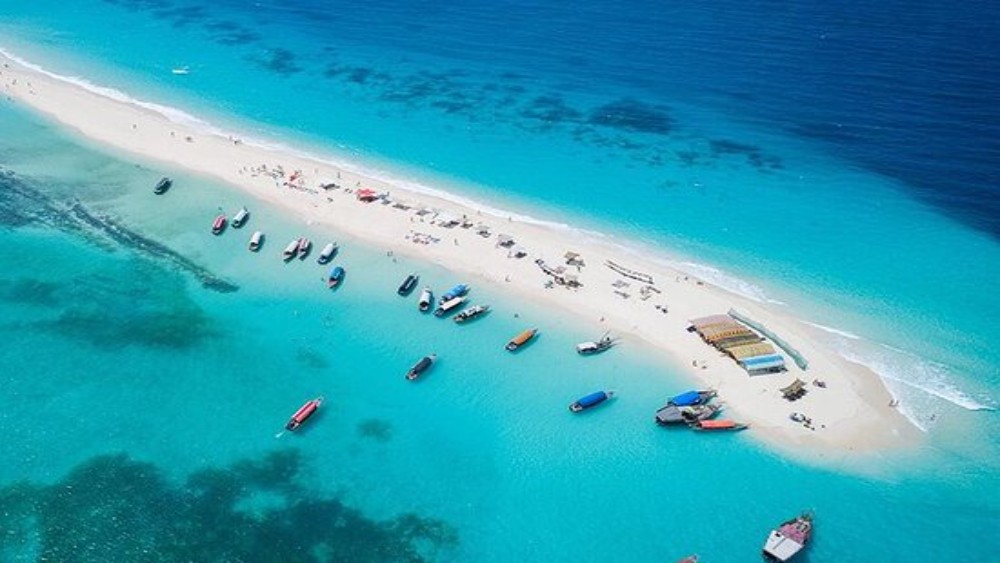
Nakupenda Sandbank is a natural sandbar in the Indian Ocean, just off the coast of Stone Town on Zanzibar Island. Its name comes from Swahili: “Nakupenda” literally means “I love you,” which feels fitting for such a romantic, breathtaking spot.
Unlike fixed beaches, Nakupenda appears only when the tide is low, forming a small, crescent-shaped island of fine white sand surrounded by shallow, warm, turquoise water. At high tide, the sand is submerged, leaving only the sea. This tidal magic creates a sense of exclusivity – you’re standing in the middle of the ocean on a beach that won’t be there tomorrow.
Is Nakupenda Sandbank the Same as Nakupenda Island?
No—but many people use the names interchangeably.
There is no permanent Nakupenda Island with infrastructure or accommodation. When people say Nakupenda Island, they are almost always referring to Nakupenda Sandbank.
Why the confusion exists:
- Tour listings simplify the name for travelers
- The sandbank feels like a private island when visible
- Social media captions often use “island” loosely
If you see “Nakupenda Island tour,” it’s almost certainly a sandbank excursion.
Where is Nakupenda Sandbank Located?
Nakupenda sits in the channel between Zanzibar Island and the mainland, southwest of Stone Town. It’s roughly 5–7 km offshore, close to Prison Island (Changuu Island). The exact position shifts slightly with tides and currents, but it’s always within easy reach by boat from Stone Town’s Forodhani Gardens area.
How Do You Get to Nakupenda Sandbank?
The only way to reach Nakupenda is by boat. Most travelers start from Stone Town, where boats depart from the main waterfront.
- Traditional wooden dhows or motorboats take 20–30 minutes.
- Tours usually include hotel pickup (in Stone Town or nearby), transfer to the boat, and return.
- For those staying farther away (e.g., Nungwi, Kendwa, Jambiani), longer transfers are possible, but Stone Town is the most convenient launch point.
At Blue Green Zanzibar Tours, we handle private or small-group boats with experienced captains who know the safest routes and best tide windows.
Why Visit Nakupenda Sandbank?
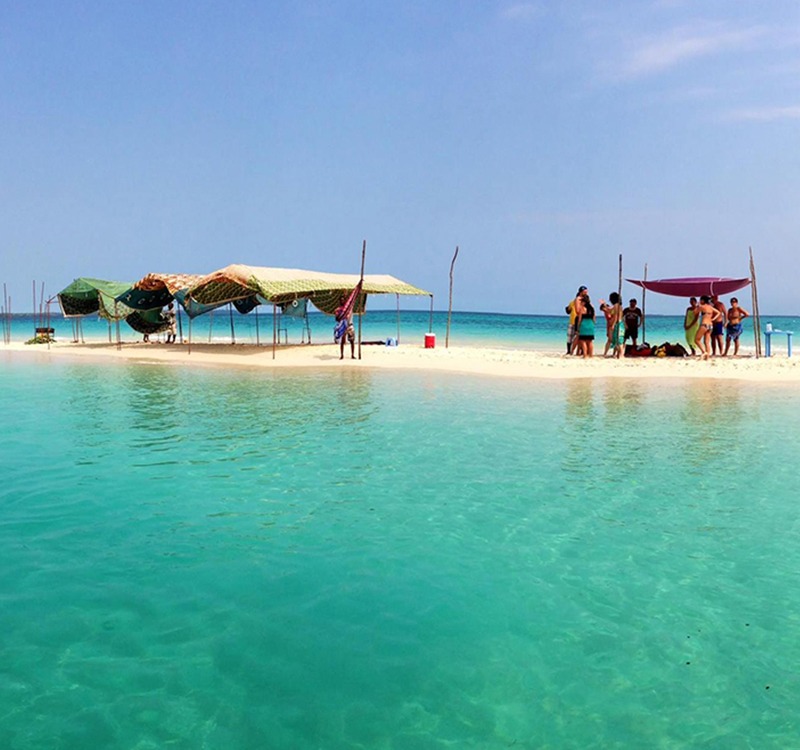
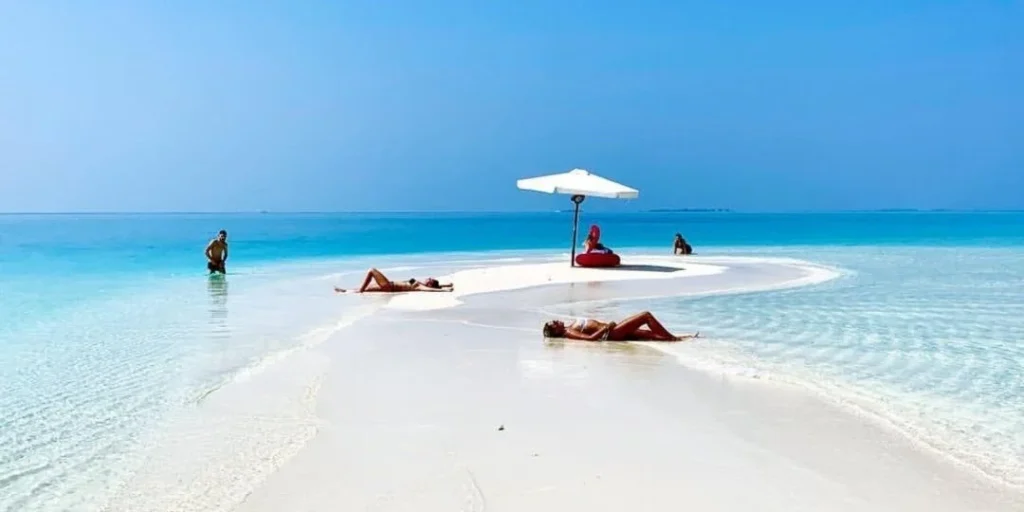
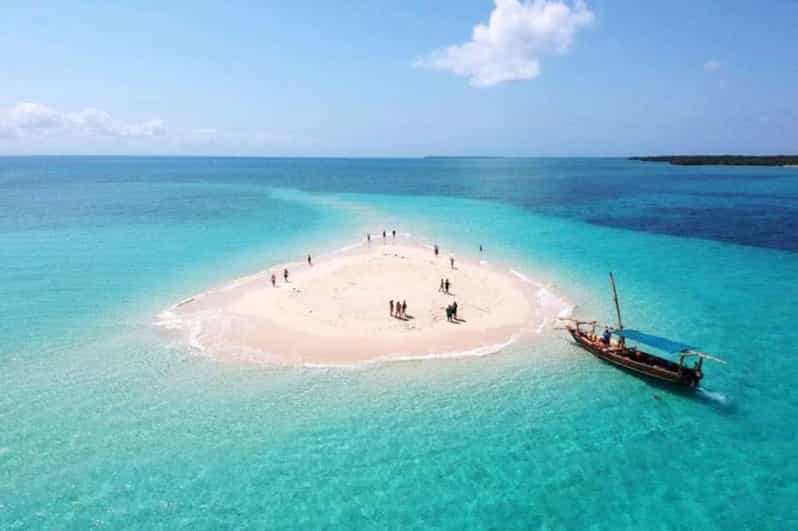
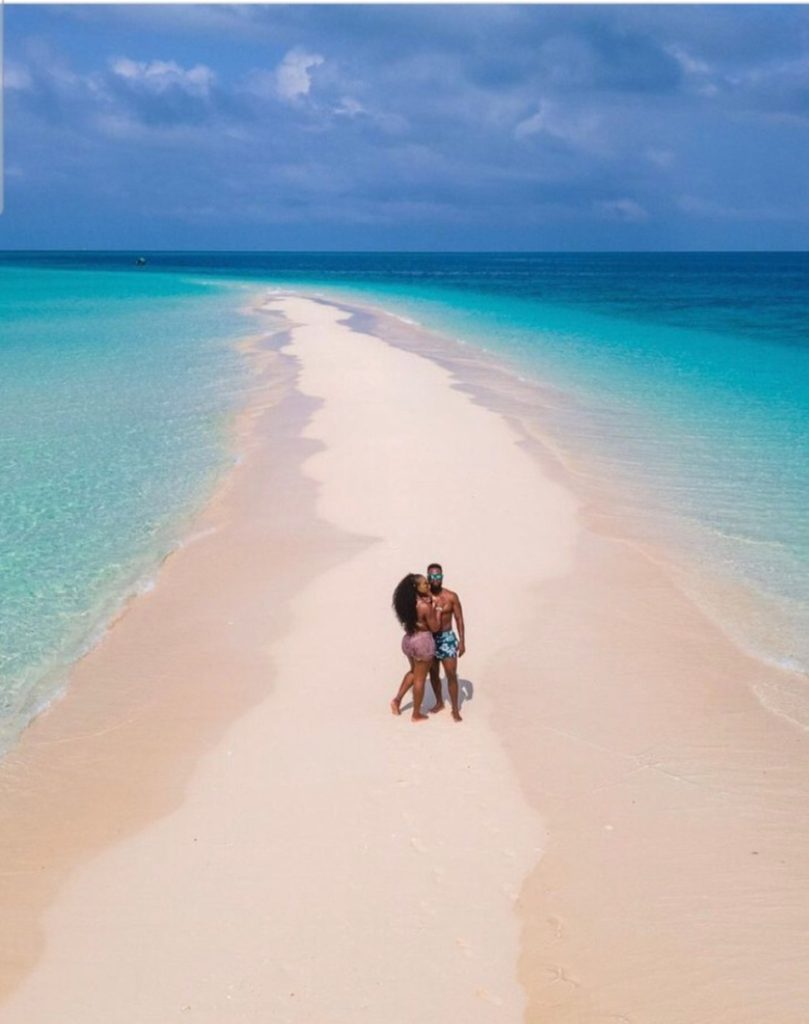
Nakupenda offers something you can’t find anywhere else on Zanzibar’s main island—complete ocean immersion without the crowds of typical beach resorts. Here’s what makes it worth the journey:
Unmatched Natural Beauty The water clarity at Nakupenda is exceptional. You can see your feet perfectly even when standing in waist-deep water. The sand is powdery white, and the color gradient of the ocean—from pale turquoise to deep sapphire blue—creates a photographer’s paradise.
Incredible Snorkeling Opportunities The waters surrounding Nakupenda are home to vibrant coral reefs and diverse marine life. During your visit, you’ll likely see colorful tropical fish, sea urchins, starfish, and if you’re lucky, sea turtles and dolphins in the surrounding areas.
Authentic Seafood Experience Most tours include a traditional seafood barbecue prepared right on the sandbank. Fresh lobster, octopus, calamari, and fish are grilled to perfection while you relax in the shallow waters—a truly unique dining experience.
Peaceful Escape Unlike the crowded beaches of Nungwi or Kendwa, Nakupenda maintains a sense of tranquility. Even when multiple tour groups visit, the expanse of the sandbank provides enough space for everyone to find their own slice of paradise.
Perfect for All Skill Levels Whether you’re a confident swimmer or nervous in deep water, Nakupenda’s shallow, calm waters make it accessible and safe for everyone, including children and elderly travelers.
When is the Best Time to Visit Nakupenda Sandbank?
Timing is everything when it comes to Nakupenda, and we’re talking about both seasonal timing and daily tidal timing.
Tidal Timing (Most Important)
Nakupenda Sandbank is only fully visible and accessible during low tide. Tour operators carefully plan departures around the tidal schedule, which changes daily. Here’s what you need to know:
Low Tide Windows
- Tours typically depart 2-3 hours before the lowest tide point
- You’ll have approximately 3-4 hours on the sandbank during optimal conditions
- The sandbank is at its largest and most impressive during spring tides (around full and new moons)
High Tide Considerations During high tide, the sandbank is completely submerged. Some tour operators may still visit, but you’ll be swimming in deeper water rather than walking on sand. This isn’t the classic Nakupenda experience most visitors seek.
Always confirm with your tour operator that they’re scheduling around proper low tide conditions. Reputable operators like Blue Green Zanzibar Tours plan all Nakupenda excursions according to tidal charts to ensure the best experience.
Best Months to Visit
Peak Season (June to October & December to February)
- Clear skies and minimal rainfall
- Calmer seas and better visibility for snorkeling
- Sandbank fully exposed during low tide
- More crowded but better weather guarantees
- Ideal for photography
Shoulder Season (March to May & November)
- Fewer tourists, more intimate experience
- Occasional rain showers (usually brief)
- Lower tour prices
- Still excellent conditions on clear days
- Great value for budget-conscious travelers
Rainy Season (April to May)
- Heavy rainfall can affect visibility and comfort
- Some tour operators reduce frequency
- Seas can be rougher
- Not recommended unless you’re flexible with dates
Best Time of Day
Morning tours (departing around 8-9 AM) offer:
- Cooler temperatures
- Better light for photography
- Calmer waters
- Fresh seafood preparation
Afternoon tours provide:
- Warmer water temperatures
- Softer, golden-hour lighting for sunset photos
- Less UV exposure during the hottest hours
What Does a Typical Nakupenda Sandbank Tour Include?
Understanding what’s included in standard tours helps you choose the right experience and avoid surprises.
Standard Half-Day Tour Package
Most Nakupenda tours operate as half-day excursions (approximately 4-5 hours total) and include:
Transportation
- Hotel pickup from Stone Town, Nungwi, Kendwa, or other major areas
- Transfer to the departure point (usually Mizingani or Forodhani)
- Boat transfer to Nakupenda Sandbank
- Return transportation to your hotel
Boat Experience
- Traditional dhow boat or modern speedboat (depending on the package)
- Life jackets and safety equipment
- Experienced boat captain and crew
- Cooler with drinking water and soft drinks
Activities on the Sandbank
- Swimming in the crystal-clear shallow waters
- Snorkeling with provided equipment (mask, snorkel, fins)
- Beach relaxation on the pristine sandbank
- Time for photography and exploration
Seafood BBQ Lunch
- Freshly grilled lobster, calamari, octopus, and fish
- Tropical fruits (mangoes, pineapple, watermelon, bananas)
- Rice, chapati, or other sides
- Fresh coconut water
- Drinking water and soft drinks
Snorkeling Equipment
- Quality masks and snorkels
- Fins (flippers) in various sizes
- Snorkeling instruction for beginners
Premium/Private Tour Additions
Upgraded packages may include:
- Private boat charter (just your group)
- Extended time on the sandbank
- Additional snorkeling sites
- Champagne or wine service
- Professional photography
- Romantic setup for proposals or celebrations
- Additional water sports equipment
What’s Typically NOT Included
- Underwater cameras (available for rent)
- Alcoholic beverages beyond premium packages
- Tips for crew and guides
- Marine park fees (usually incorporated, but confirm)
- Additional snacks beyond the meal
- Towels (bring your own)
How Much Does a Nakupenda Sandbank Tour Cost?
Pricing varies based on several factors, but here’s what you can expect in 2026:
Standard Group Tours
Budget Tours: $40-60 per person
- Shared dhow boat with 15-25 people
- Basic seafood BBQ
- Standard snorkeling equipment
- Departures from Stone Town only
Mid-Range Tours: $70-100 per person
- Smaller group size (8-15 people)
- Better quality seafood and variety
- Superior snorkeling gear
- Pickup from multiple locations
- More attentive service
Premium Group Tours: $110-150 per person
- Speedboat transfer (faster, smoother ride)
- Maximum 8-10 guests
- Gourmet seafood selection
- Professional guide
- Premium drinks included
- Flexible timing
Private Tours
Couples/Small Groups (2-4 people): $350-600 total
- Exclusive boat
- Customized schedule
- Romantic setup options
- Privacy and flexibility
Family/Group (5-8 people): $600-1,000 total
- Private boat charter
- Tailored activities
- Extended time options
- Special dietary accommodations
What Affects the Price?
Boat Type: Traditional dhows are cheaper but slower; speedboats cost more but reduce travel time from 30 minutes to 15 minutes.
Group Size: Private tours cost significantly more but offer unmatched privacy and flexibility.
Season: Prices increase during peak tourist season (July-August, December-January).
Inclusions: Tours with additional stops, premium food, or alcoholic beverages command higher prices.
Operator Reputation: Established operators with excellent safety records and reviews charge premium rates.
Money-Saving Tips
- Book directly with tour operators rather than through hotel concierges (saves 20-30%)
- Travel during shoulder season for lower rates
- Join scheduled group tours rather than private charters
- Look for package deals combining multiple activities
- Book multiple tours with the same operator for discounts
If you’re planning your Zanzibar adventure and want transparent pricing with no hidden costs, Blue Green Zanzibar Tours offers clear, upfront quotes for Nakupenda sandbank experiences tailored to your preferences and budget.
What to Pack for Your Nakupenda Sandbank Visit
Proper preparation ensures maximum comfort and enjoyment. Here’s your complete packing checklist:
Essential Items
Sun Protection
- Reef-safe sunscreen (minimum SPF 50)—regular sunscreen damages coral reefs
- Wide-brimmed hat or cap with chin strap (it gets windy on boats)
- Polarized sunglasses with retainer strap
- Lightweight long-sleeve swim shirt for extra protection
- Lip balm with SPF
Swimwear & Clothing
- Comfortable swimsuit (avoid white—sand stains)
- Quick-dry cover-up or sarong
- Extra dry clothes for the boat ride back
- Reef shoes or water shoes (protects against sea urchins and coral)
Photography Equipment
- Waterproof phone case or dry bag
- Underwater camera or GoPro
- Fully charged batteries and memory cards
- Portable phone charger/power bank
Personal Comfort
- Beach towel (most tours don’t provide these)
- Waterproof bag for valuables
- Motion sickness medication (take 1 hour before departure)
- Personal medications
- Small amount of cash for tips
Recommended But Optional
- Snorkel mask with prescription lenses (if needed)
- Rash guard for extended sun exposure
- Lightweight beach umbrella (some operators provide shade)
- Waterproof speaker for music
- Book or e-reader for relaxing
What NOT to Bring
- Excessive jewelry or valuables
- Drones (without proper permits)
- Single-use plastics (Zanzibar is working toward plastic-free tourism)
- Glass containers
- Excessive luggage (storage on boats is limited)
Special Considerations
For Families with Children
- Children’s life jackets (most tours provide, but confirm)
- Toys for beach play
- Extra snacks (beyond what the tour provides)
- Baby sunscreen and sun hats
For Photographers
- The best light occurs in early morning or late afternoon
- Bring lens cloths for salt spray
- Underwater housing if you have professional cameras
Nakupenda Sandbank vs. Prison Island vs. Mnemba: Which Should You Choose?
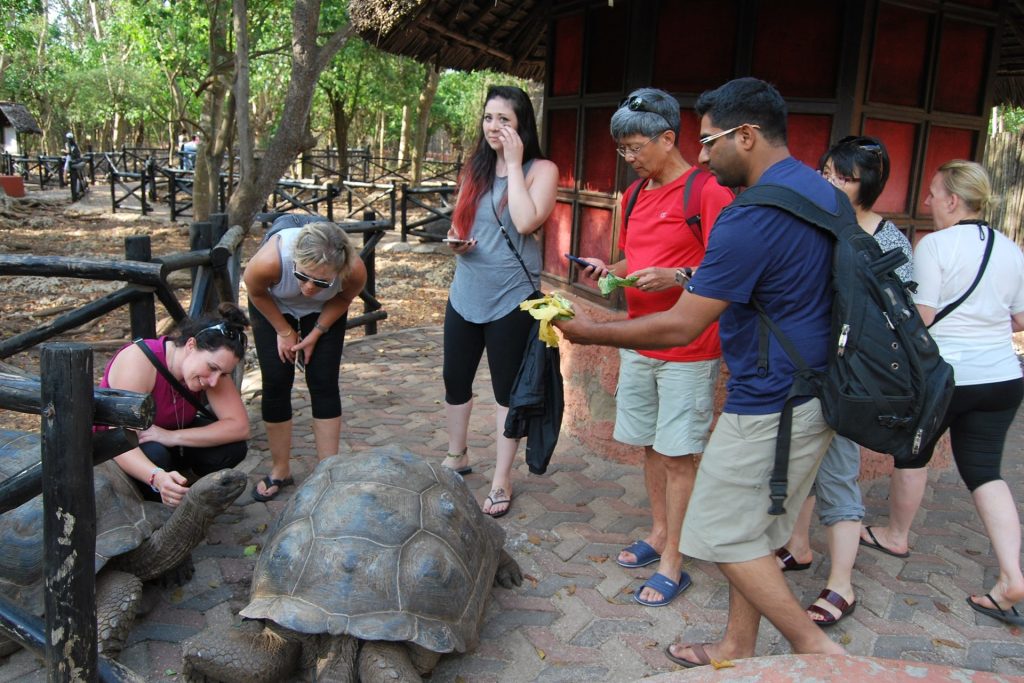
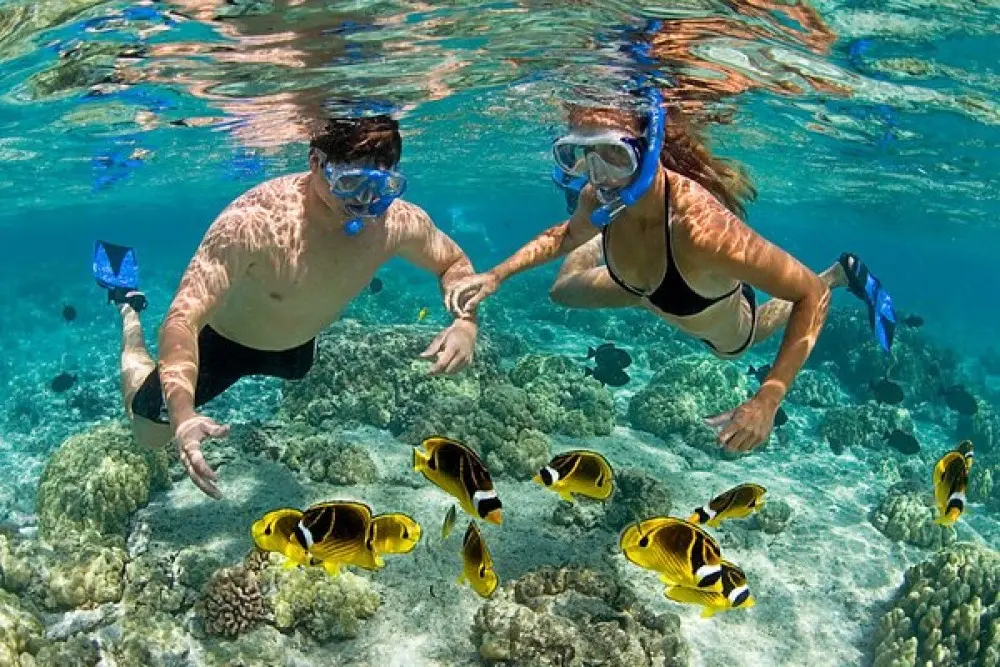

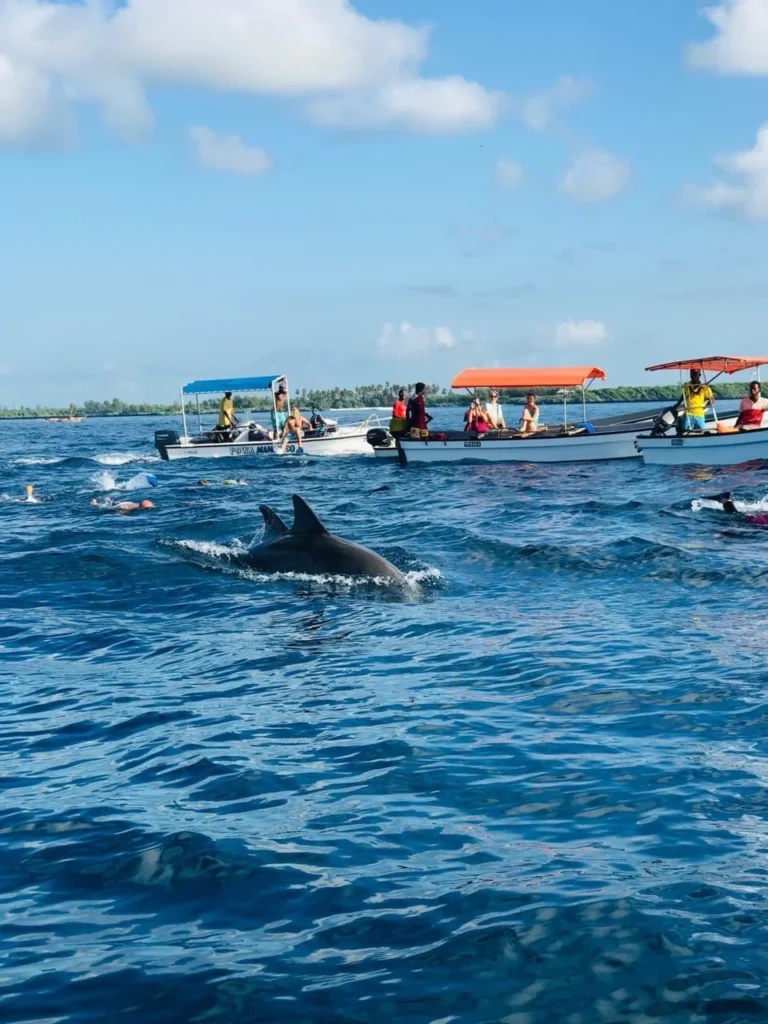
Zanzibar offers several island and sandbank excursions. Here’s how Nakupenda compares to help you decide:
Nakupenda Sandbank
Best For: Pure beach and ocean experience, snorkeling, seafood lovers, romantic getaways
Unique Features:
- Temporary island experience
- Most pristine, untouched setting
- Excellent shallow water swimming
- Authentic seafood BBQ on the sandbank
Limitations:
- Tide-dependent
- No land wildlife
- No historical sites
Prison Island (Changuu Island)
Best For: History enthusiasts, families with young children, shorter trips
Unique Features:
- Giant Aldabra tortoises you can feed and photograph
- Historical ruins and prison building to explore
- Snorkeling around the island
- Less weather-dependent
Limitations:
- More touristy and crowded
- Beach quality inferior to Nakupenda
- Less impressive snorkeling
Mnemba Island
Best For: Serious snorkelers and divers, luxury seekers, marine life enthusiasts
Unique Features:
- World-class diving and snorkeling
- Pristine coral reefs
- High chance of seeing dolphins, turtles, and rays
- Exclusive, less crowded
Limitations:
- More expensive ($100-200 per person)
- Longer boat journey (1+ hour from Stone Town)
- Deeper waters (not ideal for weak swimmers)
- Private island with restricted beach access
Can You Visit Multiple Locations in One Day?
Yes! Many tour operators offer combination packages:
Popular Combinations:
- Nakupenda + Prison Island (full day, $80-120)
- Nakupenda + Stone Town Tour (full day, $90-130)
- Nakupenda + Dolphin Tour (full day, $100-150)
These combinations maximize your time but can be exhausting. If you prefer a relaxed pace, dedicate separate days to each experience.
Safety Tips and Important Considerations
While Nakupenda is generally very safe, keeping these points in mind ensures a worry-free experience:
Ocean Safety
Tides and Currents
- Always stay within the designated safe area
- Listen to your guide’s instructions about water depth
- Be aware that currents can strengthen as tide changes
- Keep children within arm’s reach at all times
Marine Life
- Sea urchins hide in shallow areas—wear water shoes
- Avoid touching coral (damages reefs and can cut skin)
- Don’t harass or chase fish and marine animals
- If you see jellyfish, inform your guide immediately
Sun and Heat Safety
The equatorial sun is intense:
- Reapply sunscreen every 60-90 minutes, especially after swimming
- Stay hydrated—drink water continuously
- Take breaks in shaded areas provided by tour operators
- Watch for signs of heat exhaustion (dizziness, nausea, excessive fatigue)
Boat Safety
- Always wear provided life jackets during boat transfers
- Keep hands inside the boat while moving
- Secure all loose items before departure
- Follow crew instructions during boarding and disembarking
Health Precautions
- Take motion sickness medication 1 hour before departure if prone to seasickness
- Bring any necessary medications in waterproof containers
- Inform guides of any medical conditions or allergies
- The nearest medical facilities are in Stone Town (20-30 minutes away)
Environmental Responsibility
Protect this paradise for future generations:
- Use only reef-safe sunscreen
- Take all trash back with you
- Don’t remove shells, coral, or marine life
- Avoid standing on or touching coral reefs
- Don’t feed fish (disrupts natural behavior)
Choosing a Safe Tour Operator
Look for operators who:
- Provide comprehensive safety briefings
- Carry first aid kits and emergency equipment
- Have experienced, trained crew members
- Maintain well-serviced boats
- Offer appropriate life jackets for all ages
- Have clear emergency protocols
- Carry appropriate insurance
Blue Green Zanzibar Tours prioritizes safety above all else, with experienced marine guides, regularly inspected boats, and comprehensive insurance coverage for all guests.
Common Mistakes to Avoid
Learn from others’ experiences to make your visit perfect:
Booking and Planning Mistakes
Not Checking Tide Times The biggest mistake is booking without confirming the tour aligns with low tide. Some budget operators may take you during suboptimal conditions. Always ask: “Will the sandbank be fully exposed during our visit?”
Choosing the Cheapest Option While budget-friendly tours exist, extremely low prices often mean:
- Overcrowded boats (25+ people)
- Poor quality food
- Rushed schedule
- Broken or low-quality snorkeling equipment
- Inexperienced guides
A mid-range tour offers significantly better value and experience.
Booking Through Unauthorized Beach Vendors Beach vendors and unlicensed operators may offer cheaper rates but often lack:
- Proper safety equipment
- Insurance coverage
- Reliable boats
- Quality food handling standards
Not Reading Reviews Check recent reviews on Google, TripAdvisor, and travel forums. Red flags include:
- Repeated complaints about timing or tides
- Food safety concerns
- Safety incidents
- Hidden fees
- Overcrowding
Packing Mistakes
Forgetting Reef Shoes Walking barefoot on the sandbank risks stepping on sea urchins or sharp coral fragments. Reef shoes are essential, not optional.
Wearing Jewelry The ocean and sand will damage or lose jewelry. Leave valuables at your hotel.
Using Regular Sunscreen Chemical sunscreens kill coral. Only use reef-safe, mineral-based sunscreen (zinc oxide or titanium dioxide).
Not Bringing Enough Water While tours provide drinking water, the combination of sun, salt, and swimming dehydrates you quickly. Bring extra water bottles.
During the Experience
Skipping the Safety Briefing Guides provide crucial information about currents, marine life, and safe areas. Pay attention.
Not Asking Questions Guides are knowledgeable about marine life, local history, and the ecosystem. Engage with them—it enriches your experience.
Rushing the Snorkeling Take time to float calmly and observe. The best marine sightings come to patient snorkelers.
Touching Everything Coral, sea urchins, and fish may look tempting to touch, but this harms marine life and can injure you.
Not Taking Breaks from the Sun Even with sunscreen, continuous sun exposure leads to burns. Use provided shade or your cover-up regularly.
Photography Tips: Capturing Nakupenda’s Beauty
This location offers incredible photo opportunities. Here’s how to make the most of them:
Best Photo Spots and Angles
The Classic Sandbank Shot
- Shoot from the boat as you approach to capture the sandbank surrounded by turquoise water
- Use a wide-angle lens or panorama mode
- Best timing: mid-morning or late afternoon for ideal lighting
Aerial Perspective
- If your tour includes a drone operator, this creates spectacular results
- Capture the crescent shape of the sandbank from above
- Shows the color gradient of the surrounding waters
Water-Level Shots
- Get in the shallow water and shoot at water level
- Creates dramatic reflections and emphasizes the crystal-clear water
- Works beautifully for portraits
Underwater Photography
- Use a GoPro or underwater housing
- Capture the coral reefs and tropical fish
- Best results in morning when visibility is highest
Camera Settings and Equipment
For Phones
- Use HDR mode to balance bright sky and water
- Clean your lens frequently (salt spray and sand)
- Use burst mode for action shots
- Turn on grid lines for better composition
For Cameras
- Shoot in RAW for maximum editing flexibility
- Use polarizing filter to reduce glare and enhance water colors
- Fast shutter speed (1/500 or faster) for sharp action shots
- Slightly underexpose to protect highlights (easier to recover shadows)
Lighting Considerations
Golden Hour Magic
- Late afternoon tours offer warm, golden light
- Softer shadows and enhanced color saturation
- Ideal for romantic couple shots
Midday Challenges
- Harsh overhead light creates unflattering shadows
- Water appears lighter and less saturated
- Use fill flash or reflector for portraits
- Shoot underwater to avoid harsh light
Composition Tips
- Include people for scale (shows the vastness of the location)
- Use the rule of thirds—place the horizon on the upper or lower third
- Look for leading lines (boat tracks in sand, footprints)
- Capture candid moments (eating seafood, snorkeling) for authentic shots
- Take both horizontal and vertical shots for versatility
Protecting Your Equipment
- Use waterproof cases or bags religiously
- Rinse cameras with fresh water after exposure to salt water
- Bring silica gel packets to absorb moisture
- Have backup memory cards and batteries
- Never put electronics directly on sand
Frequently Asked Questions About Nakupenda Sandbank
How long does it take to reach Nakupenda Sandbank from Stone Town?
Traditional dhow boats take approximately 25-30 minutes, while modern speedboats reach the sandbank in 15-20 minutes. The journey from beach areas like Nungwi or Kendwa takes longer—typically 60-90 minutes—since you’ll first travel to Stone Town’s departure point. Most tour operators factor in transportation time, so your total excursion lasts 4-6 hours including travel.
Can I visit Nakupenda Sandbank during high tide?
Technically yes, but it’s not recommended. During high tide, the sandbank is completely submerged under 1-3 meters of water. You’ll be swimming rather than standing on exposed sand, which defeats the main attraction. Reputable operators schedule tours exclusively during low tide windows when the sandbank is fully visible. Always confirm your tour timing matches low tide conditions.
Is Nakupenda Sandbank suitable for non-swimmers or children?
Absolutely. During low tide, water depth ranges from ankle to waist-deep across most of the sandbank, making it safe for non-swimmers and children. Tour operators provide life jackets for added security. The calm, shallow waters create a natural swimming pool environment that’s much safer than open ocean beaches. Families with young children often find Nakupenda more comfortable than traditional beach destinations.
What marine life can I expect to see while snorkeling?
The waters around Nakupenda host diverse marine life including parrotfish, angelfish, butterflyfish, surgeonfish, snappers, and various species of wrasse. You’ll likely encounter sea urchins, starfish, and sea cucumbers on the sandy bottom. The surrounding coral reefs shelter moray eels, octopuses, and occasionally small reef sharks (harmless). Lucky visitors spot sea turtles and dolphins in the surrounding deeper waters. The specific wildlife varies with seasons and tidal conditions.
Are there any facilities on Nakupenda Sandbank?
No permanent structures exist on Nakupenda—it’s a completely natural, undeveloped sandbank. There are no restrooms, changing rooms, or buildings of any kind. Tour operators bring temporary shade structures (umbrellas or canopies) and set up cooking areas for the seafood BBQ. Everything is packed out when tours depart, leaving no trace. Plan accordingly and use facilities before boarding your boat.
Can I propose or have a special celebration on Nakupenda Sandbank?
Yes! Nakupenda’s romantic setting makes it incredibly popular for marriage proposals, honeymoon celebrations, vow renewals, and anniversaries. Many tour operators offer special romantic packages including champagne, decorative beach setups with flowers and candles, private boat charters, and even photographers to capture the moment. Book these arrangements in advance—especially during peak season—and communicate your plans with your operator so they can create the perfect experience.
Final Thoughts: Planning the Perfect Nakupenda Experience
Nakupenda Sandbank is one of Zanzibar’s most unique natural attractions—not because it’s luxurious, but because it’s real, raw, and fleeting. Its temporary nature is exactly what makes it special.
With the right timing, a responsible operator, and realistic expectations, Nakupenda delivers an experience that photos simply can’t capture.
If you’re planning your Zanzibar itinerary and want expert guidance from locals who do this every day, Blue Green Zanzibar Tours is always happy to help you plan the experience properly—at your pace, your style, and your comfort level.
Sometimes, the simplest places leave the strongest impressions.