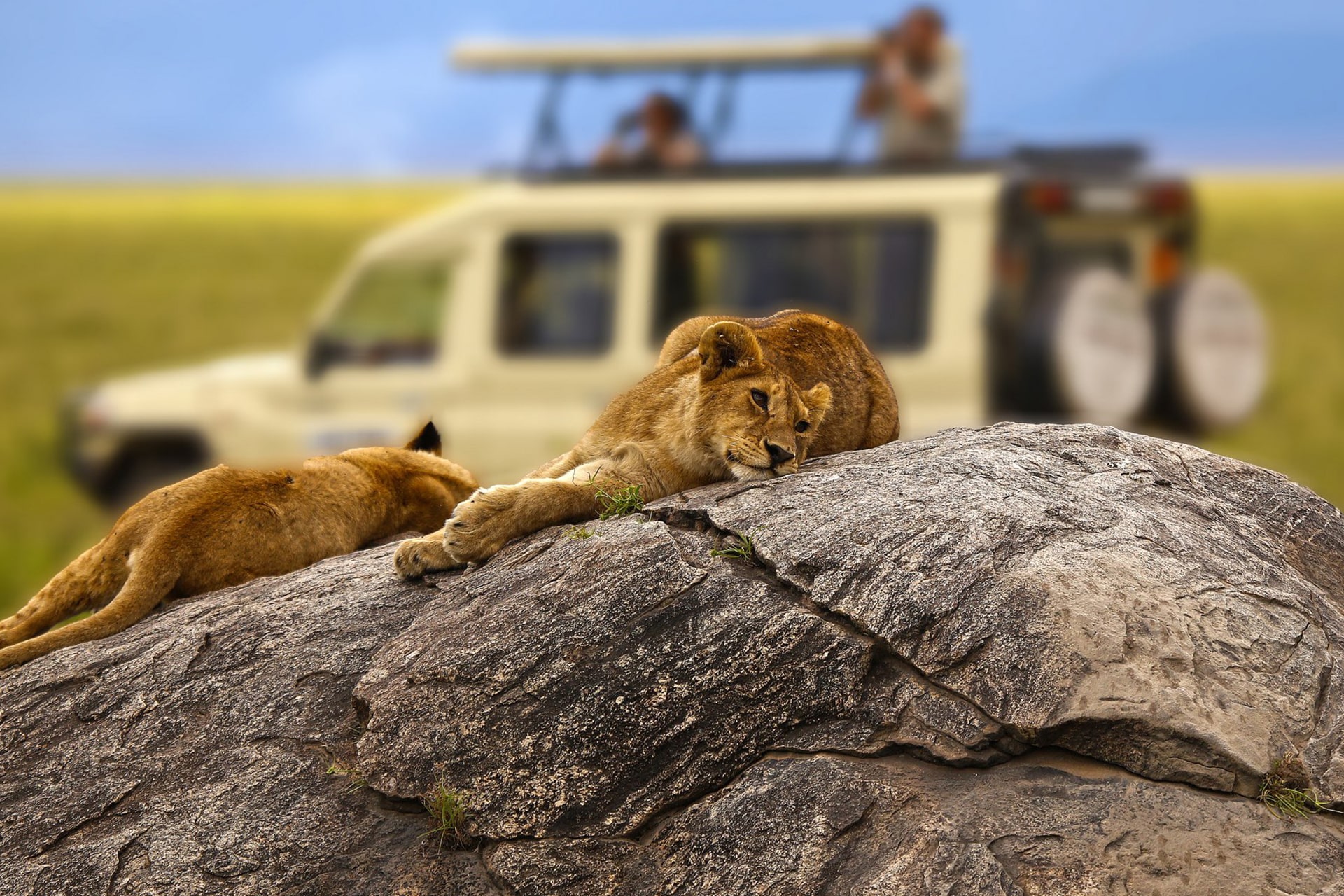
Zanzibar island itself does not have traditional big-game safari parks. However, you can easily combine your Zanzibar holiday with a world-class African wildlife safari on the Tanzanian mainland. A short 45–60 minute flight connects you to Mikumi National Park or Selous Game Reserve (Nyerere National Park), where you can see lions, elephants, giraffes, hippos, and more — then fly back to your beach resort the same day.
One of the most common questions we receive at Blue Green Zanzibar Tours is:
“Is there safari in Zanzibar?”
It’s a smart question — especially if you’re planning a once-in-a-lifetime trip to East Africa and want beaches and wildlife.
Zanzibar is world-famous for white-sand beaches, turquoise water, and Stone Town’s rich history. But when people think of “safari,” they usually imagine lions, elephants, giraffes, and vast savannah landscapes.
So how does Zanzibar fit into that picture?
In this complete guide, we’ll explain:
- Whether Zanzibar has safari parks
- What wildlife experiences exist on the island
- How to do a real safari from Zanzibar
- Best parks to combine with Zanzibar
- Costs and logistics
- Whether it’s worth adding safari to your trip
By the end, you’ll know exactly how to plan the perfect beach + safari itinerary.
Table of Contents
Does Zanzibar Have Safari Parks?
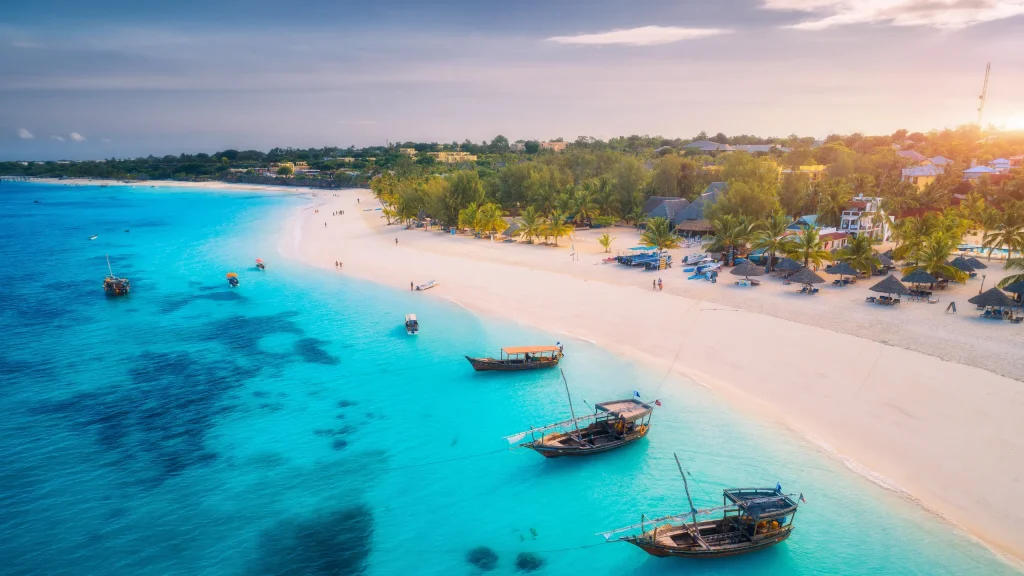
No, Zanzibar does not have safari parks in the traditional sense. The island is relatively small — about 1,660 square kilometres — and its terrain is coastal, forested, and agricultural rather than the open savannah habitat required for Africa’s iconic big game species like lions, leopards, elephants, and buffalo.
What Zanzibar does have is genuinely impressive wildlife in its own right:
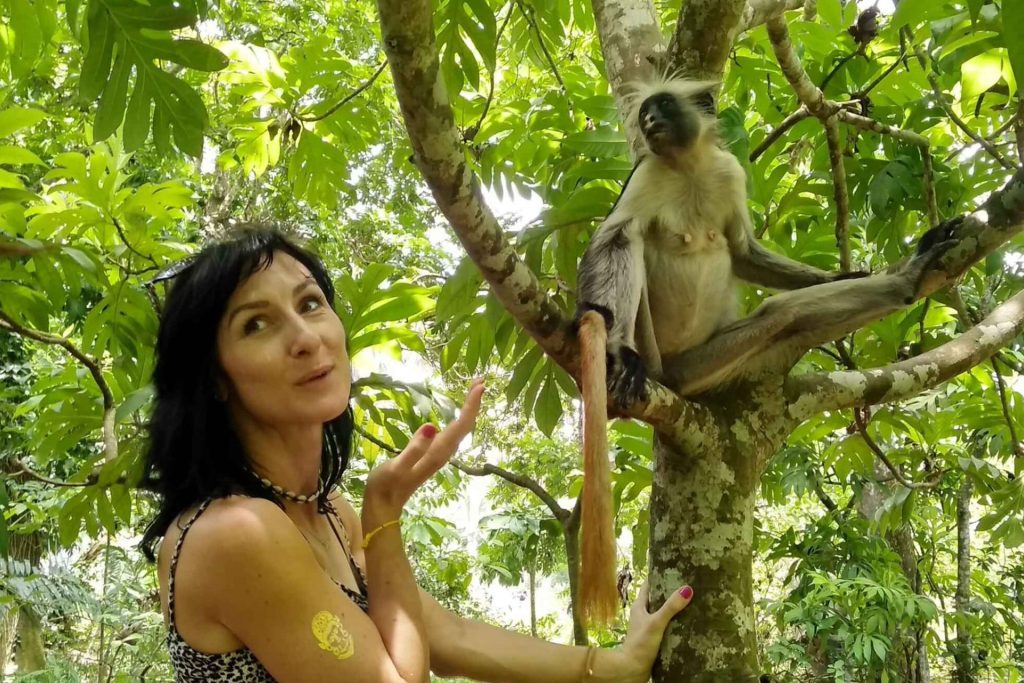
- Jozani Chwaka Bay National Park — Zanzibar’s only national park, home to the rare and endemic red colobus monkey, as well as bush pigs, duikers, and a rich diversity of birdlife. A visit to Jozani Forest is a wonderful half-day experience.
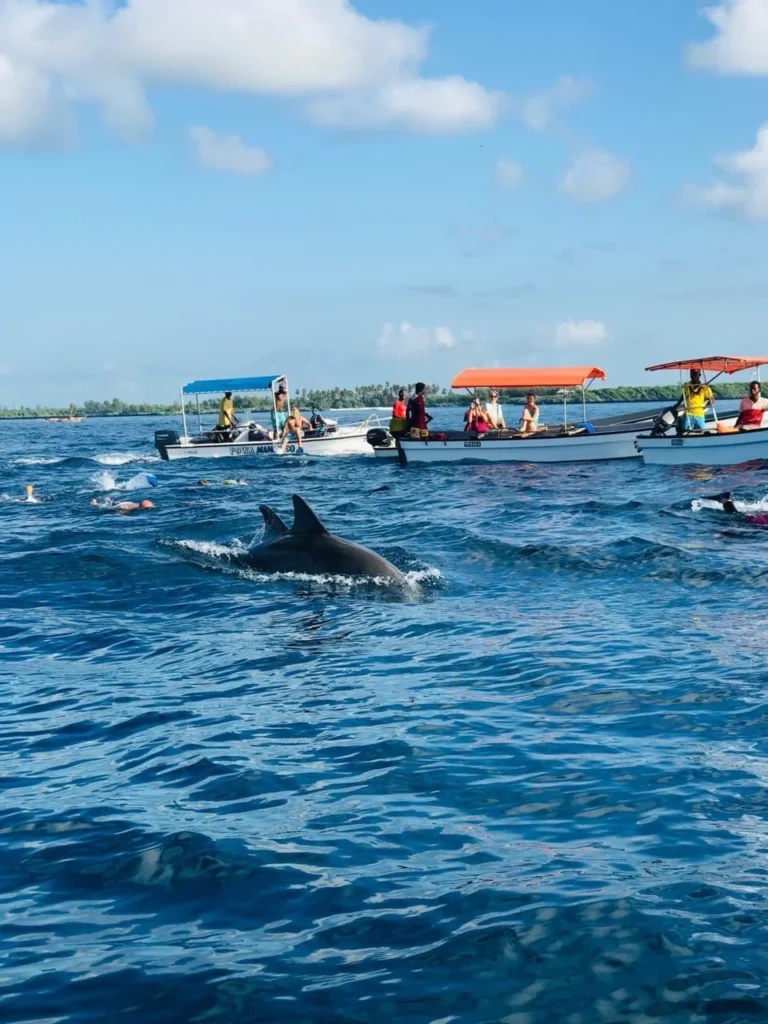
- Marine wildlife — Zanzibar’s waters are teeming with dolphins, sea turtles, whale sharks (seasonally), and vibrant reef fish. You can swim with dolphins or snorkel with turtles on any given day.
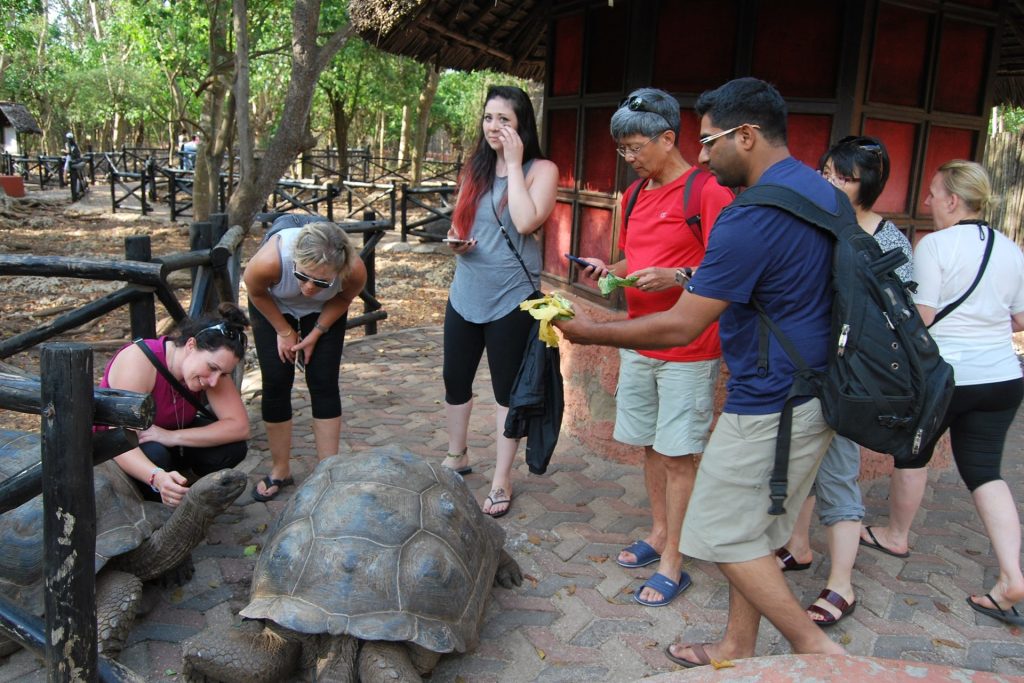
- Changuu Island (Prison Island) — Home to a colony of giant Aldabra tortoises, some over 100 years old.
These experiences are genuinely special and worth doing. But if you’re dreaming of lions on a golden plain or a herd of elephants moving through the bush, you’ll need to venture to mainland Tanzania — and from Zanzibar, that’s very easy to arrange.
What Wildlife Can You See in Zanzibar?
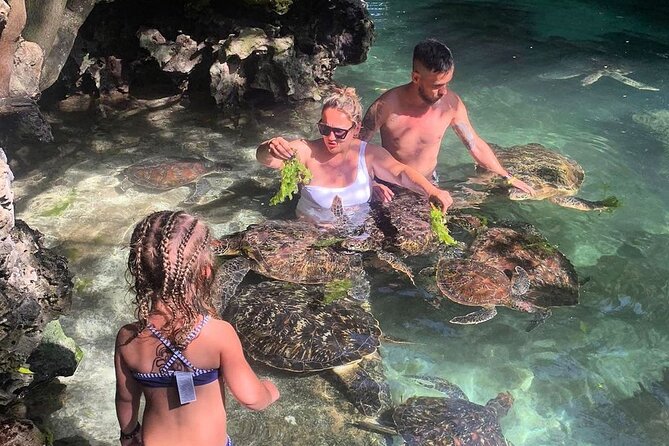
While Zanzibar doesn’t have big game, the island has its own genuinely special wildlife worth exploring:
Jozani Forest: Home to the Zanzibar red colobus monkey — found nowhere else on Earth.
These charismatic primates live in family groups and are habituated to visitors. A Jozani forest tour takes about 2–3 hours and is highly recommended. You can combine it with cave swimming at Maalum or Salaam Cave for a full day out.
Marine wildlife: Zanzibar’s Indian Ocean waters are exceptional. Spinner dolphins are found in large pods off the south coast. Green and hawksbill sea turtles are commonly seen near Nungwi and Mnemba Island. Our swimming with turtles tour and Mnemba Atoll snorkeling trip are two of our most popular experiences.
Prison Island: The Aldabra giant tortoises at Changuu Island are a delight — you can hand-feed them and take photographs. Our Prison Island tour visits the island combined with a swim at the sandbank.zibar.
Can You Do Safari from Zanzibar?
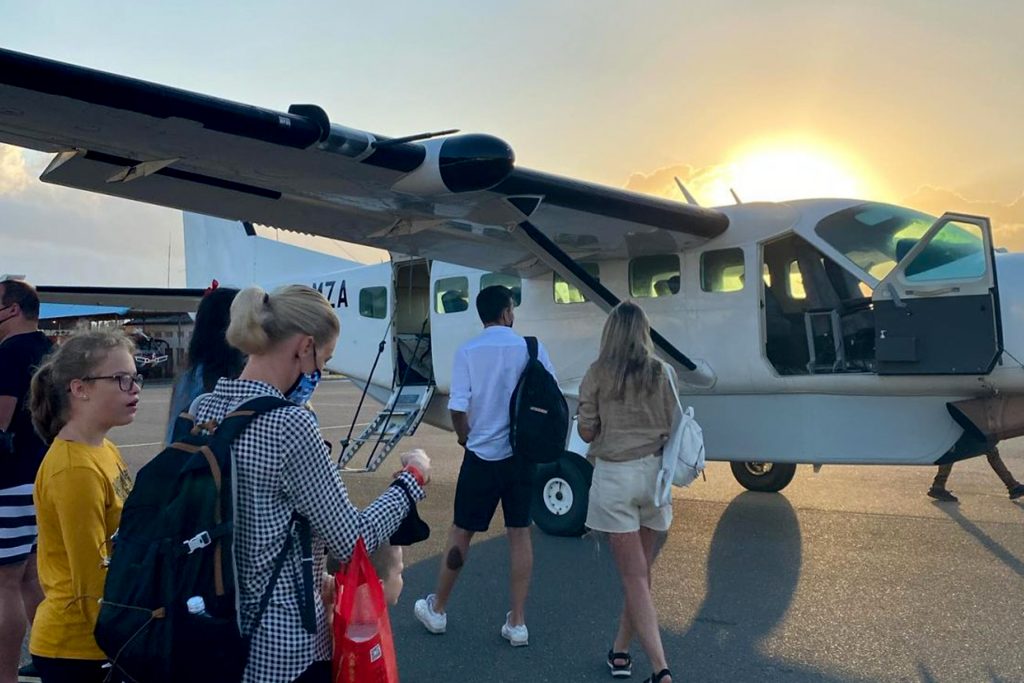
Absolutely, yes. This is the most popular way for Zanzibar visitors to get their safari fix, and it works beautifully. The standard approach is a fly-in safari from Zanzibar, where you take a short charter or scheduled flight to a mainland national park, complete your game drives, and either fly back the same evening (day trip) or stay overnight for a deeper experience.
Thousands of travellers do this every year. It’s one of the most efficient ways to combine two completely different bucket-list experiences — a tropical island holiday and an authentic African safari — without flying home and back again.
At Blue Green Zanzibar Tours, we’ve been helping travellers make this combination happen seamlessly.
Our safari packages from Zanzibar handle everything: your transfer to the airport, the flights, park fees, game drives, meals, and a professional guide who knows these parks intimately.
What Are the Best Safari Parks to Visit from Zanzibar?
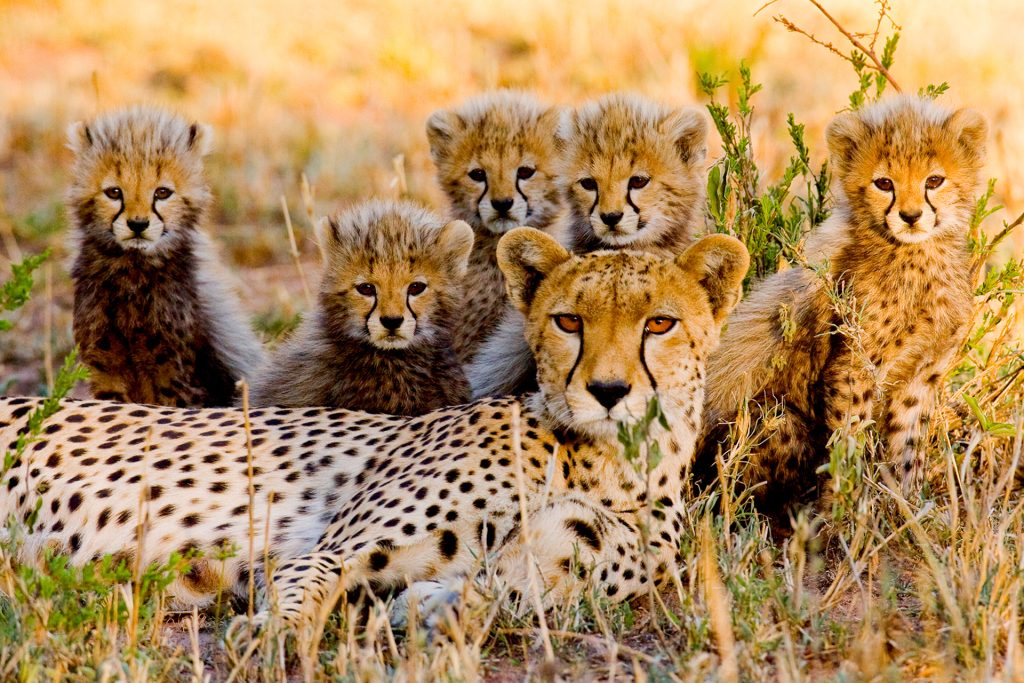
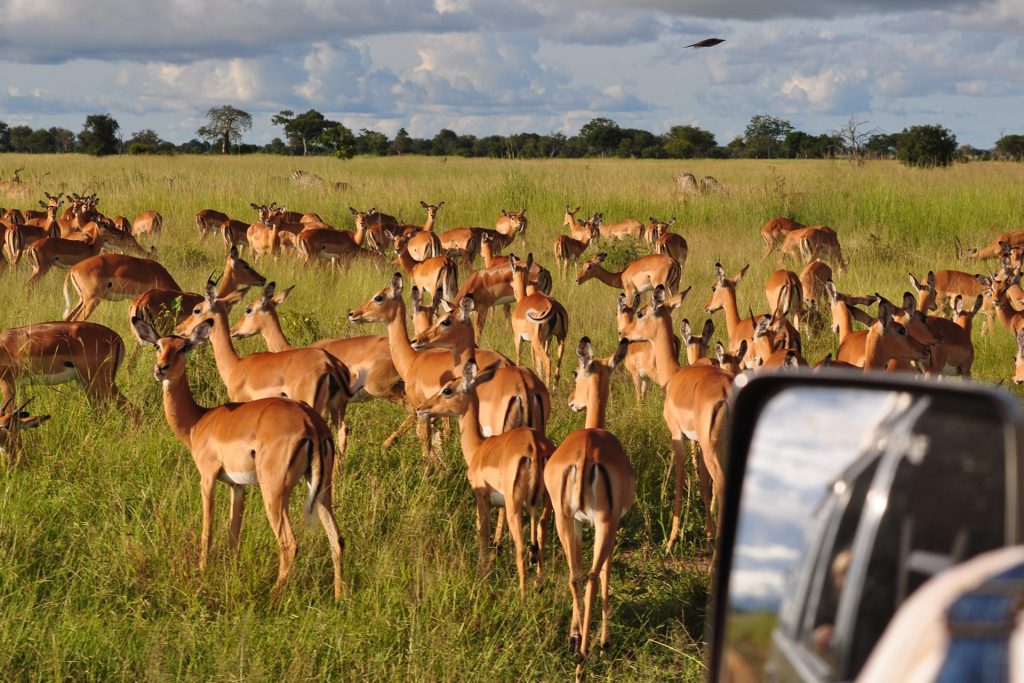
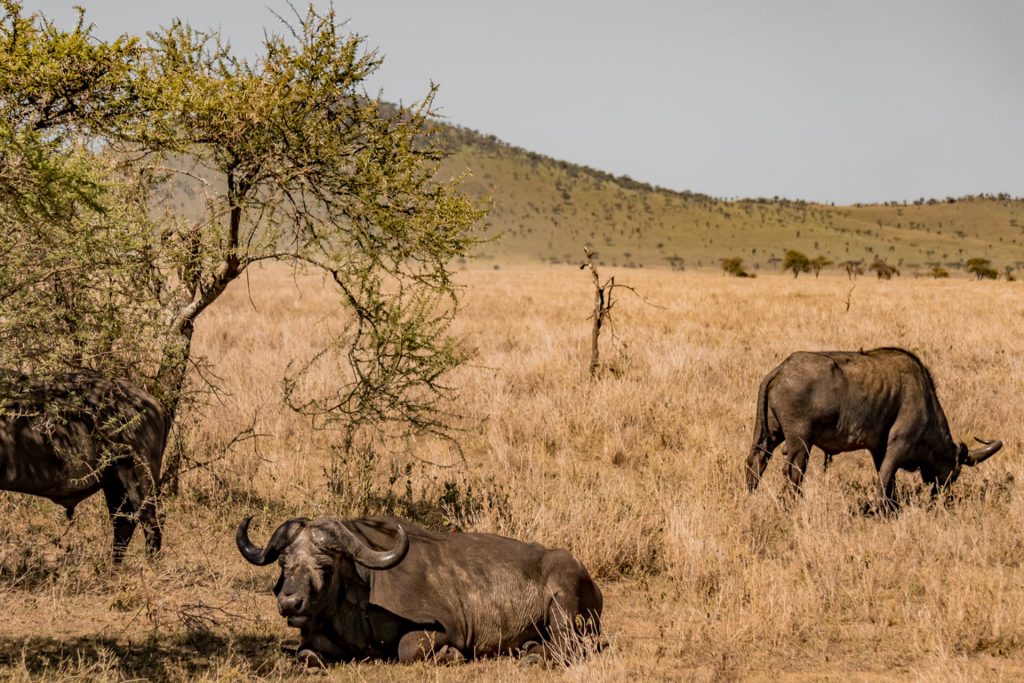
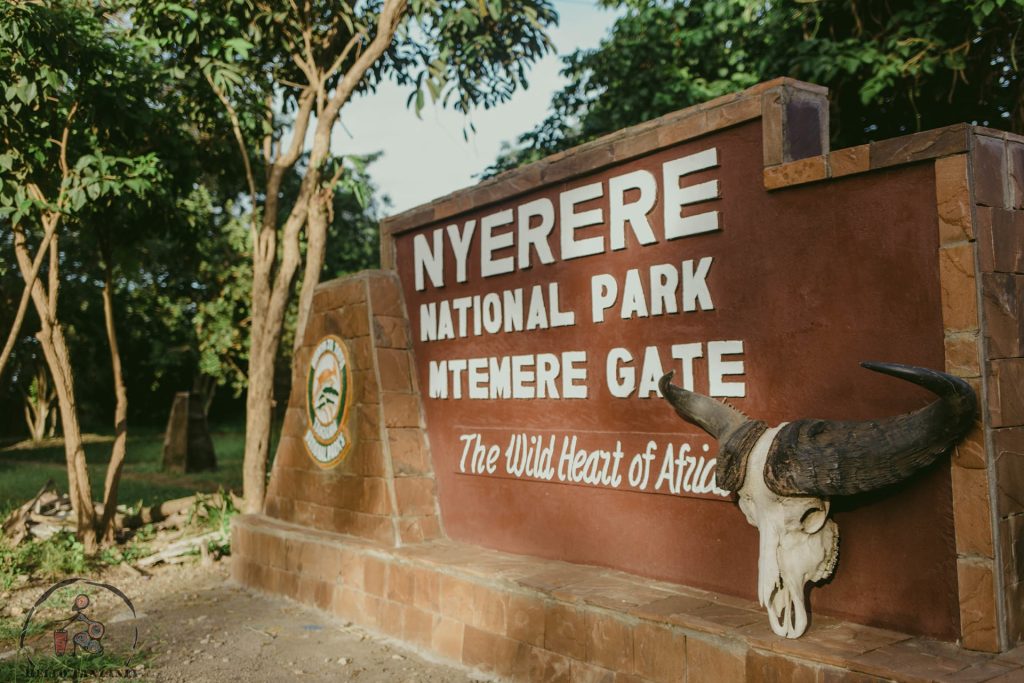
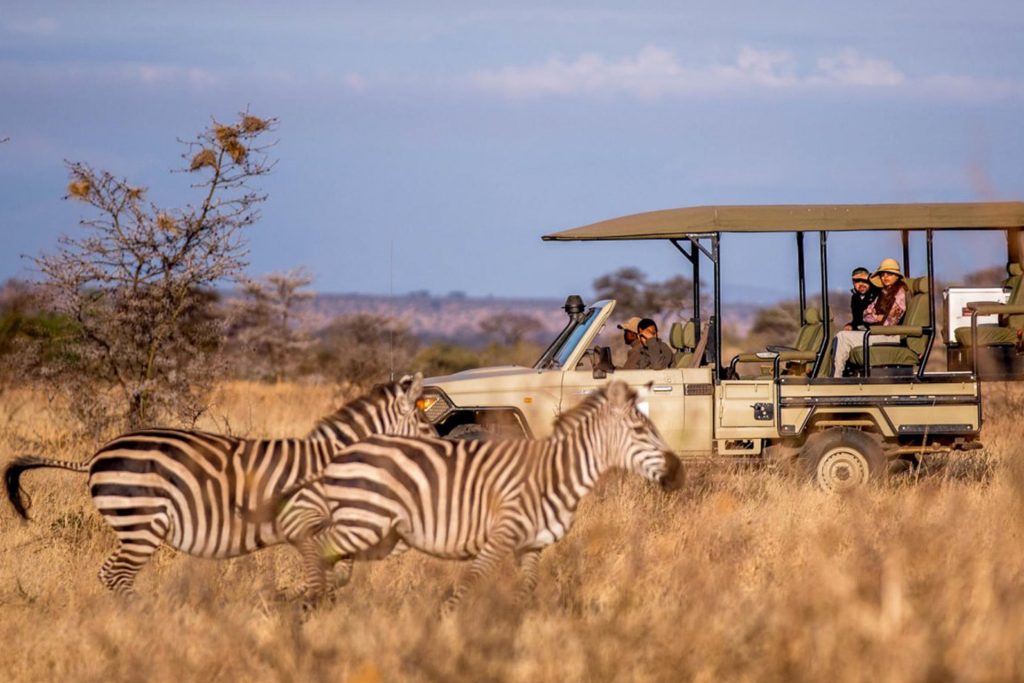
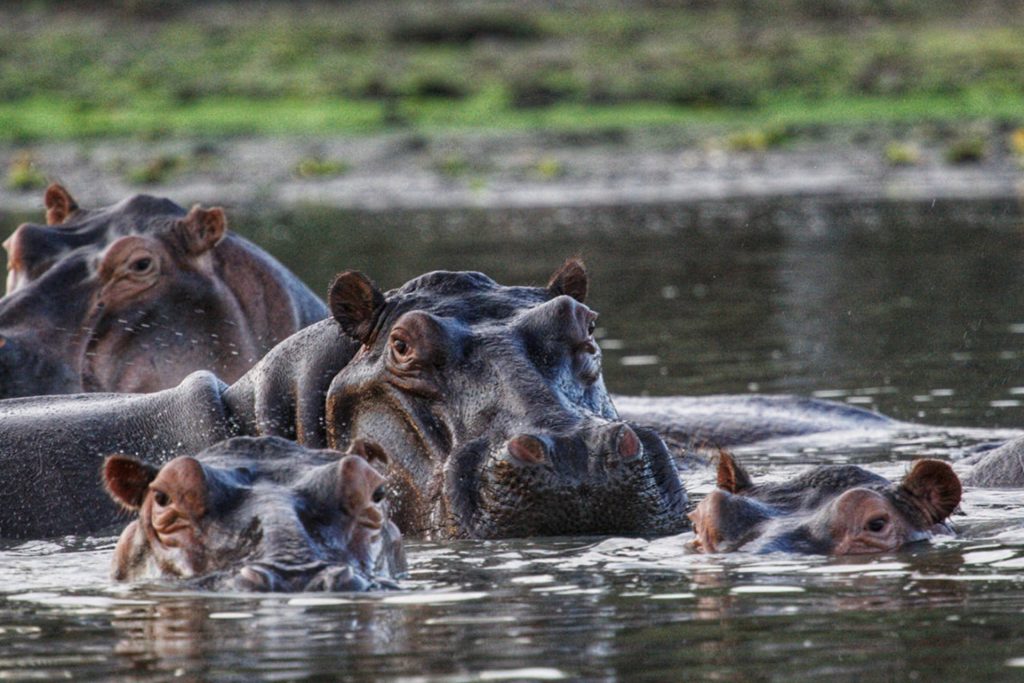
Two destinations stand out as the best options for a safari from Zanzibar, both for their wildlife quality and their relative proximity to the island.
Mikumi National Park — Tanzania’s “Little Serengeti”
Mikumi is the park we recommend most often to travellers doing a day trip from Zanzibar. It’s large enough to deliver a genuinely exciting wildlife experience but compact enough to see a lot in a single game drive. Local guides have nicknamed it the “Little Serengeti” because the Mkata Floodplain — the park’s open grassland heart — resembles the Serengeti’s famous plains in miniature.
What you can see at Mikumi:
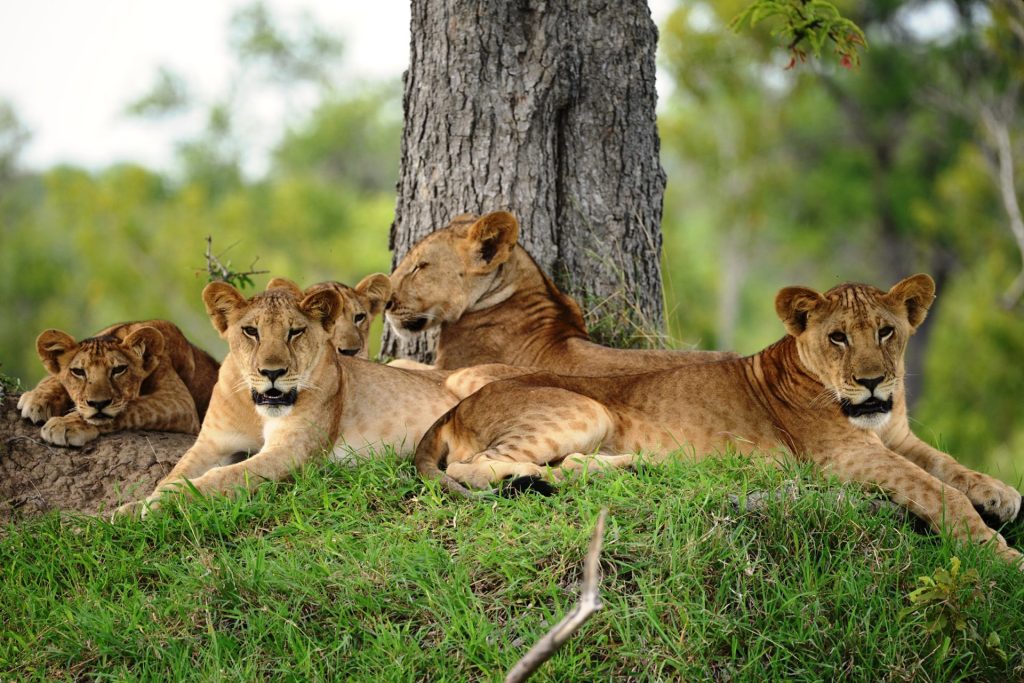
- Lions (Mikumi has a healthy and visible pride population)
- Elephants
- Giraffes
- Zebras
- Wildebeest
- Hippos (at the hippo pools)
- Yellow baboons
- Buffalo
- Leopards (less commonly seen, but present)
Mikumi is particularly good for open-vehicle game drives because the Mkata Plain gives you long sightlines — you can spot animals from a distance and track their movement. It’s also one of the most reliably good parks for lion sightings in Tanzania, which makes it especially popular.
Getting there: A short charter flight from Zanzibar airport takes approximately 45–60 minutes. We handle all logistics as part of our Mikumi Day Trip Safari and 2-Day Mikumi Safari packages.
Selous Game Reserve (Nyerere National Park) — Africa’s Largest Game Reserve
The Selous — officially renamed Nyerere National Park in 2019 in honour of Tanzania’s founding president — is one of the most extraordinary wildlife areas on the African continent. It was designated a UNESCO World Heritage Site, and with good reason: it covers an area larger than Switzerland and protects one of the most diverse ecosystems in Africa.
What makes Selous different from most other East African parks is the variety of safari activities on offer. It’s one of the few reserves in Tanzania where you can do a boat safari on the Rufiji River alongside your standard game drive — and floating quietly past hippos, crocodiles, and elephants drinking at the bank is an experience unlike anything else.
What you can see at Selous:
- Hippos (one of the largest populations in Africa)
- Crocodiles
- Elephants
- Lions
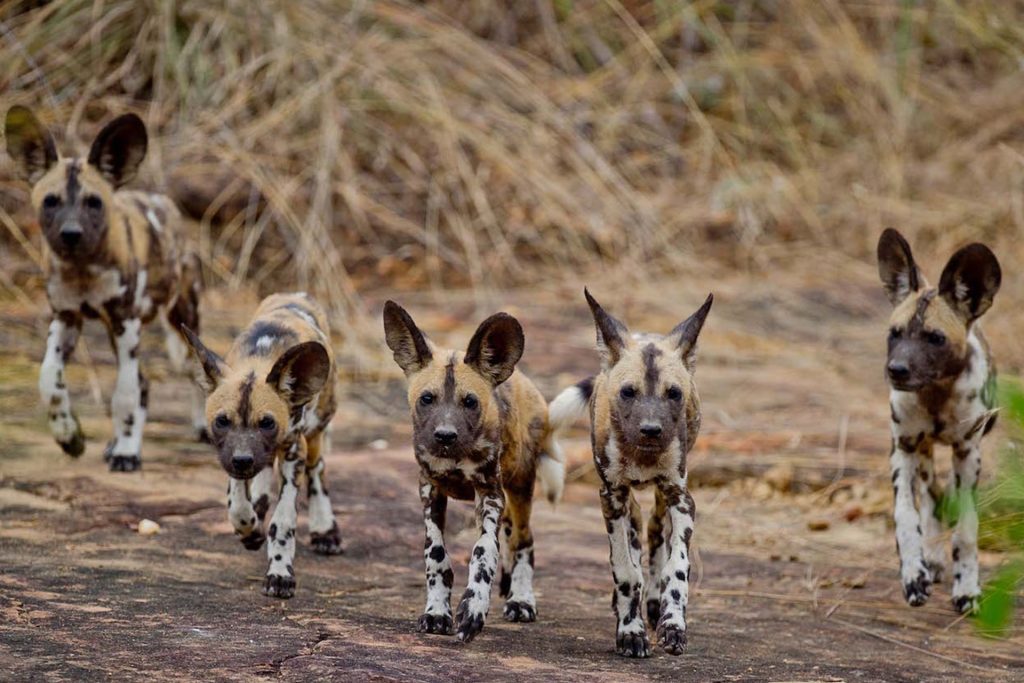
- African wild dogs (Selous has one of the best populations on the continent)
- Buffalo
- Warthogs
- Diverse birdlife — over 440 species recorded
Getting there: A charter flight from Zanzibar to Selous takes approximately 60–75 minutes. Our Selous Day Trip Safari and 2-Day Selous Safari include all transport, guides, and park fees.
Day Trip vs Multi-Day Safari: Which Should You Choose?
This is a question we help guests think through every day. Here’s an honest breakdown:
The Day Trip Safari from Zanzibar
A day trip means you fly out in the morning, complete one or two game drives, have lunch at the park or lodge, and fly back to Zanzibar in the late afternoon. You’re back at your beach resort in time for sundowners.
Best for:
- Travellers with a tight schedule (only 1–2 free days)
- First-time safari-goers who want a taste before committing to more
- Families with young children who may not want to stay overnight in the bush
- Anyone who has already booked most of their Zanzibar accommodation and just wants to add a wildlife day
Honest expectation: A day trip gives you a real, authentic safari experience. You will see animals. You will drive through genuine African wilderness. But you won’t have the sunrise and sunset game drives that reveal the best of a park’s wildlife activity — those magical golden-hour moments are the domain of overnight visitors.
- Mikumi Day Trip from $410 per person
- Selous Day Trip from $475 per person
The 2-Day / 1-Night Safari from Zanzibar
An overnight safari means you fly in on day one, do an afternoon game drive, sleep at a lodge or tented camp in or near the park, wake up for an early-morning game drive the next day, and fly back to Zanzibar by midday.
Best for:
- Travellers who want the full, immersive safari experience
- Wildlife photographers who need the golden-hour light
- Anyone who wants to hear the sounds of the African bush at night — a genuinely unforgettable experience
- Couples looking for a romantic bush-and-beach combination
The early-morning game drive is almost always the most productive in terms of wildlife sightings — predators are still active, animals are heading to water, and the light is extraordinary. If you can afford the extra day and budget, the overnight safari is significantly more rewarding.
- 2-Day Mikumi Safari from $910 per person
- 2-Day Selous Safari from $900 per person
How Much Does a Safari from Zanzibar Cost?
Safari pricing from Zanzibar depends on several factors: the park you choose, whether it’s a day trip or overnight, group size, and the type of accommodation for overnight stays. Here’s a transparent overview:
Day Trip Safaris:
- Mikumi National Park Day Trip — from $410 per person
- Selous Game Reserve Day Trip — from $475 per person
2-Day / 1-Night Safaris:
- 2 Days Mikumi Safari — from $910 per person
- 2 Days Selous Safari — from $900 per person
What’s typically included in the price:
- Return charter flights from Zanzibar
- Hotel/airport transfers in Zanzibar and on the mainland
- Park entrance fees
- Game drives with a professional guide
- All meals (breakfast, lunch, dinner where applicable)
- Accommodation for overnight packages
What’s usually not included:
- Alcoholic beverages
- Personal travel insurance
- Tips for guides and lodge staff (customary and appreciated)
- Optional additional activities
If you’re planning to combine safari with Zanzibar tours — for example, adding a Stone Town tour or Safari Blue to your package — we can build you a fully customized itinerary. Contact us and we’ll put something together around your dates and budget.
When Is the Best Time to Go on Safari from Zanzibar?
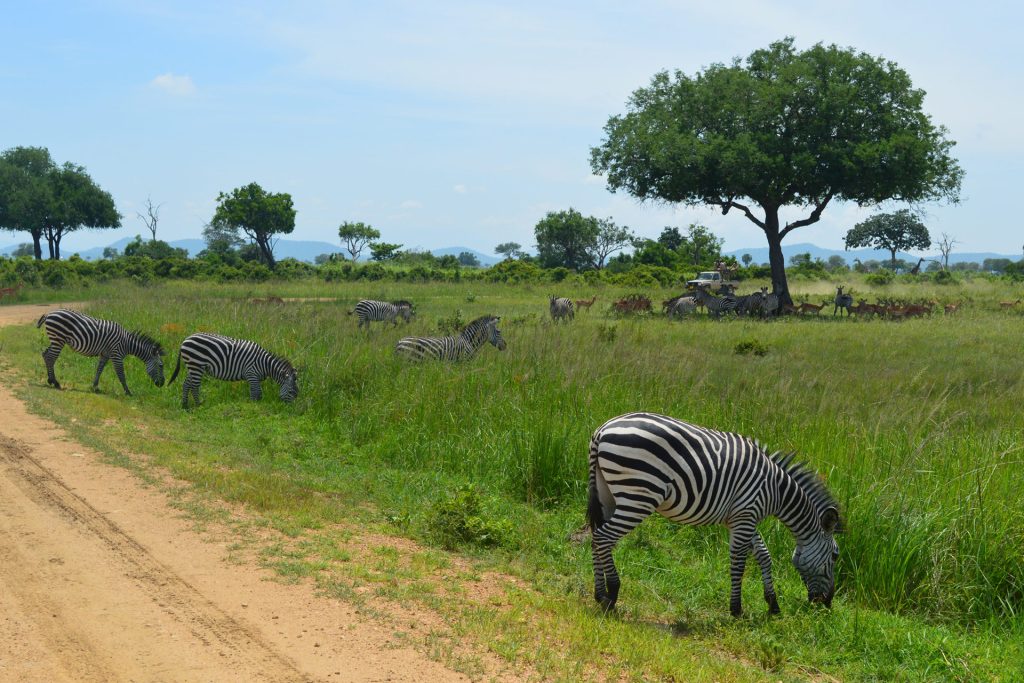
The timing of your safari matters enormously. Tanzania’s wildlife is present year-round, but the conditions for viewing it vary significantly by season.
The Dry Season (July–October and January–mid-March): Best for Safari
During the dry months, vegetation thins out and water sources shrink. This forces animals — including predators and their prey — to concentrate around rivers and waterholes. Sightings become more frequent, more dramatic, and more predictable. Game drive tracks are easier to navigate. Photography conditions are excellent.
July to October is widely considered the peak safari season across Tanzania, including at Mikumi and Selous.
January to mid-March is a second dry window — somewhat overlooked by tourists and therefore quieter, often with lower prices.
The Green Season (April–June and November–December): Good Value, Different Experience
The long rains fall April through early June. Parks become lush, dramatically green, and quieter. Many lodges offer significant discounts. Wildlife is harder to spot because vegetation is dense and animals are more dispersed. Roads can be challenging.
November and December bring shorter rains that don’t affect travel as heavily. This is actually a lovely time to visit Zanzibar and do a safari, with the island at its most beautiful and parks less crowded.
Our honest recommendation: If you’re visiting Zanzibar between July and October, absolutely add a safari — conditions are ideal. If you’re visiting between November and March, you can still have an excellent experience. April to June is the toughest for safari but the best for budget travellers.
What Wildlife Can You See on a Safari from Zanzibar?
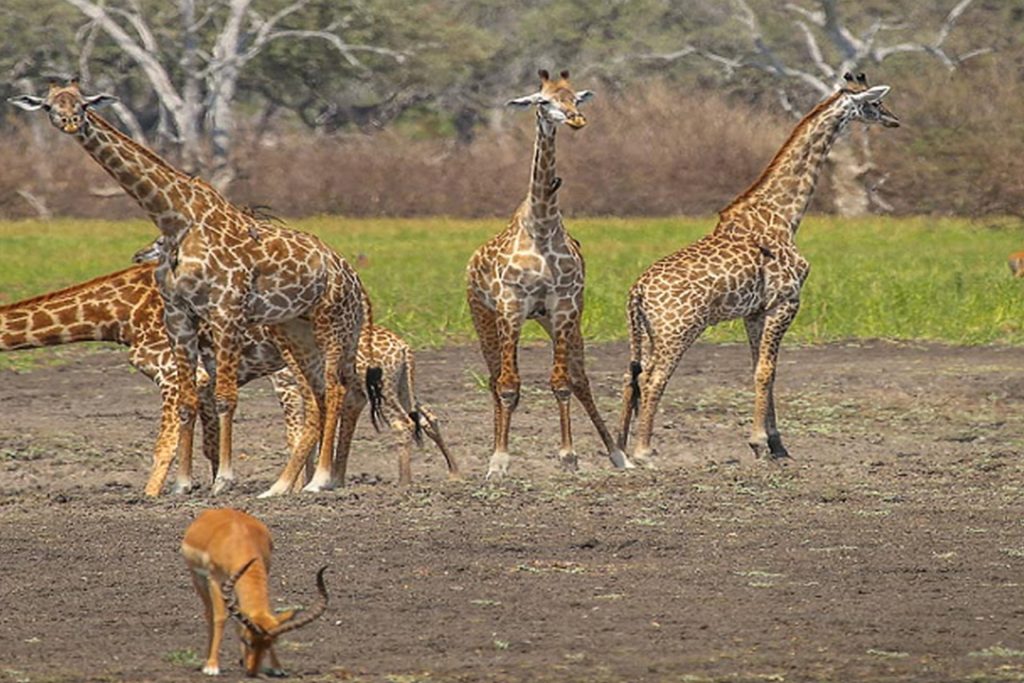
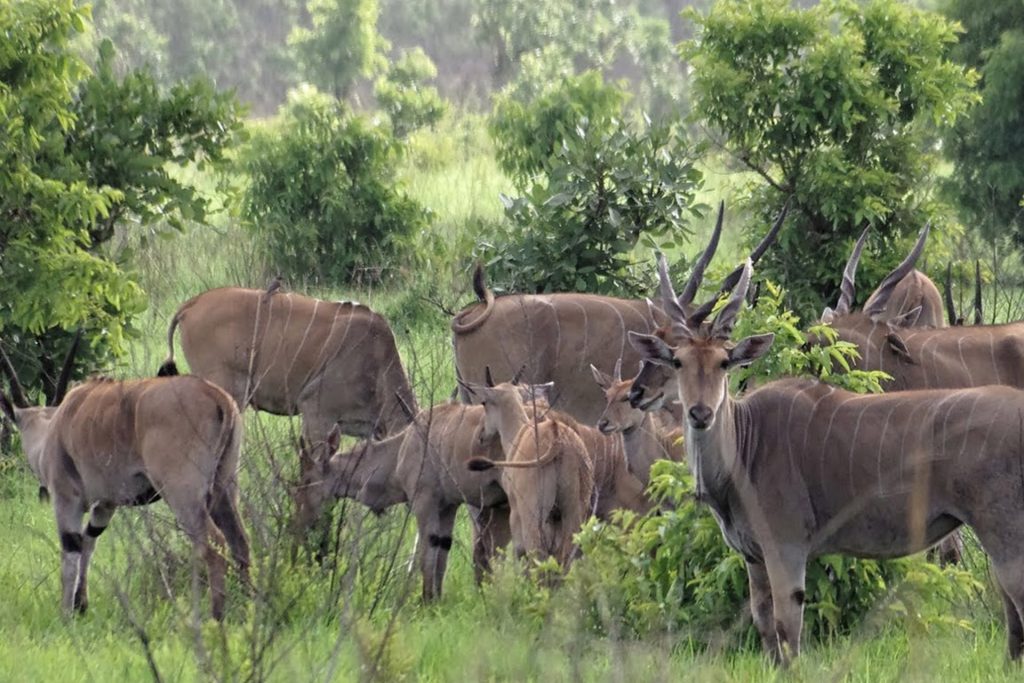
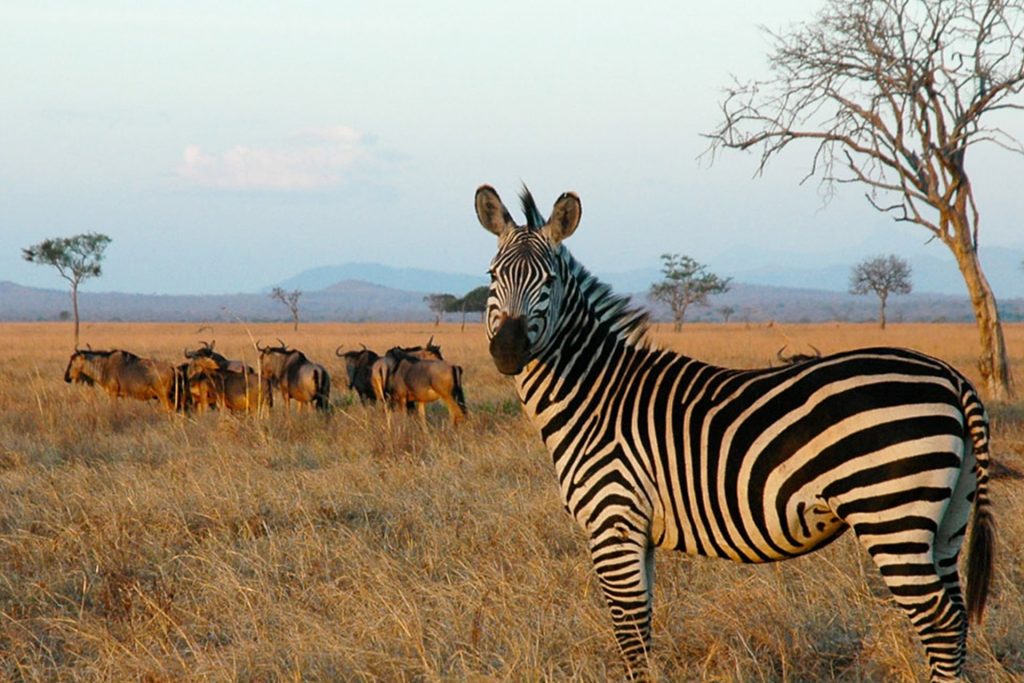
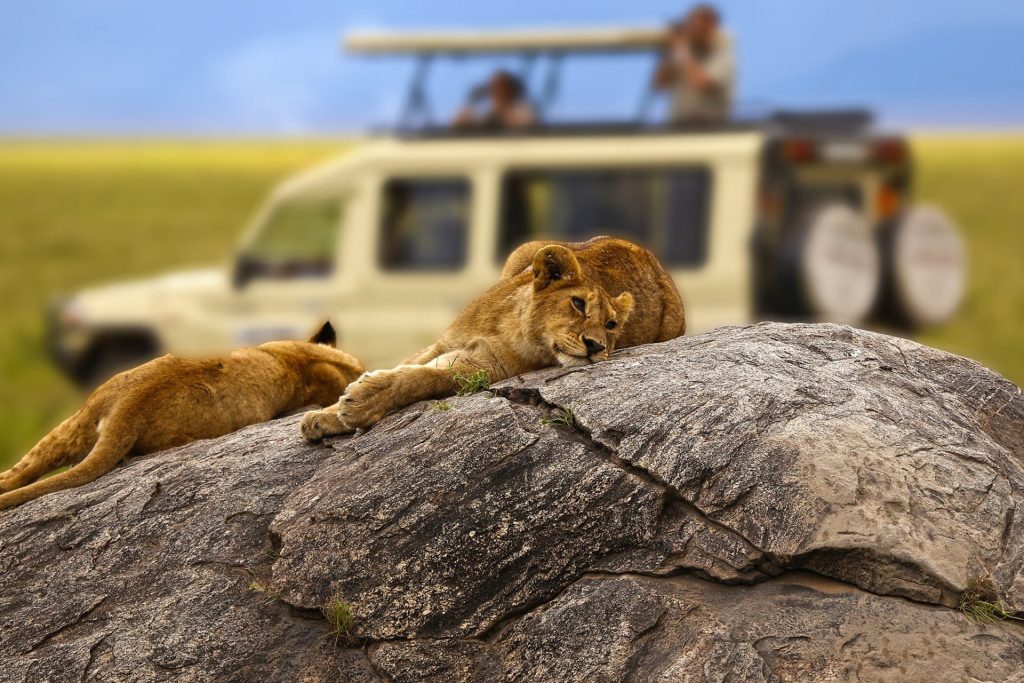
The wildlife on Tanzania’s mainland is genuinely world-class. Here’s what you realistically expect to see at Mikumi and Selous:
Almost certain sightings:
- Elephants
- Zebras
- Hippos
- Baboons
- Various antelope species (impala, hartebeest, wildebeest)
- Warthogs
- Crocodiles (at Selous)
- Giraffes (Mikumi)
Frequently seen:
- Lions (especially at Mikumi)
- Buffalo herds
- Hyenas
- Diverse birdlife
Possible but less predictable:
- Leopards
- African wild dogs (Selous has one of Africa’s best populations)
- Cheetahs
Every game drive is different, and that’s part of what makes safari so addictive. Our guides have years of experience reading the bush — knowing where to look at different times of day, understanding animal behaviour, and finding sightings that a self-driver would walk right past.
How to Plan the Perfect Zanzibar Safari Holiday
Many of our guests structure their Zanzibar trip in three phases, and it works beautifully:
Phase 1 — Arrive, Settle, Explore (Days 1–3) Arrive in Zanzibar, check in, and get your bearings. Do a Stone Town walking tour on day one — it’s the best introduction to the island’s extraordinary Swahili-Arab-Indian history. Visit the spice farms on day two. Relax at the beach on day three.
Phase 2 — Safari on the Mainland (Days 4–5) Head to Mikumi or Selous for a day trip or overnight safari. This is the highlight for most guests. After the adrenaline of the bush, returning to a beach resort feels even more luxurious.
Phase 3 — Ocean Adventures (Days 6–8) Spend your remaining days on Zanzibar’s water — the Safari Blue day trip (snorkeling, sandbank picnic, swimming with dolphins), a sunset dhow cruise, maybe a dive at Mnemba Atoll.
If you want us to plan this entire itinerary for you — flights, safaris, tours, and transfers — that’s exactly what we do. Get in touch and we’ll build your custom package.y
Is Safari Worth Adding to Your Zanzibar Holiday?
Yes — unreservedly. Here’s why we say that with confidence.
Most travellers come to Zanzibar for the beaches, the history, and the culture, and they leave wishing they had added a safari. The logistics are simpler than people expect. The cost, when divided between a couple, is very reasonable for what you receive. And the experience is genuinely life-changing for many people — seeing a lion in the wild for the first time is something you don’t forget.
The combination of Indian Ocean beach holiday and African wildlife safari is, we’d argue, one of the best travel experiences in the world. Tanzania offers both, and Zanzibar is the perfect base for doing both.
What we’d say to travellers on the fence: even a single-day trip to Mikumi is worth it. You’ll spend less than 24 hours away from the beach, and you’ll come back with photographs and memories that will last a lifetime.
Frequently Asked Questions
Is there a national park in Zanzibar?
Yes, there is one: Jozani Chwaka Bay National Park, located in central-south Zanzibar. It’s primarily a forest reserve and is famous for the Zanzibar red colobus monkey, an endemic and endangered species. It does not contain big game like lions or elephants. For that, you’d need to travel to mainland Tanzania.
Can you see the Big Five on a safari from Zanzibar?
You can see most of the Big Five. Elephants, lions, buffalo, and leopards are all present at Mikumi and Selous. Rhinos, the fifth member of the Big Five, are not found at either of these parks — they are present at parks further north like the Ngorongoro Crater and Serengeti, which are too far for a day trip from Zanzibar. If seeing rhinos is a priority, a longer mainland Tanzania itinerary would be needed.
How long is the flight from Zanzibar to Mikumi or Selous?
The flight from Zanzibar International Airport to Mikumi National Park takes approximately 45–60 minutes by charter aircraft. The flight to Selous (Nyerere National Park) takes approximately 60–75 minutes. Blue Green Zanzibar Tours handles all flight bookings as part of our safari packages.
Is a day trip safari enough, or should I stay overnight?
A day trip gives you a genuine safari experience and is well worth doing. That said, overnight safaris are significantly more immersive — you get both evening and morning game drives (the most productive times), you hear the sounds of the bush at night, and you have more time to really explore the park. If you can spare two days, the overnight option is our strong recommendation.
What should I wear on safari?
Stick to neutral, earthy colours — khaki, beige, olive, grey. Avoid bright whites or blues, which can startle animals. Wear long sleeves and trousers in the morning and evening for warmth and insect protection. A light fleece or jacket is useful in the early morning, even in summer. Closed-toe shoes or boots are ideal for any walking sections.
Do I need a visa to go on safari from Zanzibar?
If you’re visiting Zanzibar, you’re already in Tanzania and most international visitors enter on a tourist visa. The safari destinations — Mikumi and Selous — are on the Tanzanian mainland, so no additional visa is needed. However, double-check your specific visa conditions as rules can vary by nationality. We’re happy to advise.
Can I book safari and Zanzibar tours together in one package?
Absolutely. This is one of our specialties at Blue Green Zanzibar Tours. We offer fully customised packages that combine Zanzibar tours and excursions with mainland safari itineraries. Tell us your travel dates, your interests, and your budget, and we’ll put together a seamless end-to-end itinerary. Contact us here or reach us directly on WhatsApp at +255 774 077 465.
What is the difference between Mikumi and Selous for a safari from Zanzibar?
Mikumi is closer, slightly more affordable for a day trip, and particularly strong for lion and giraffe sightings in open grassland. Selous is larger, wilder, and offers the added experience of a boat safari on the Rufiji River — great for hippos, crocodiles, and elephants at the waterside. Both are excellent. If it’s your first safari, Mikumi is a great entry point. If you want something more adventurous and off the beaten track, Selous delivers.
Conclusion
So, is there safari in Zanzibar?
Not in the traditional savannah sense. But Zanzibar is perfectly positioned to give you the best of both worlds — tropical island paradise and authentic African safari — within a single trip.
At Blue Green Zanzibar Tours, we help travelers design smooth, realistic, and well-planned combinations that match their time and budget.
If you’re planning your Zanzibar holiday and wondering whether to add safari, the answer depends on your dream experience — and we’re always happy to guide you toward the right choice.
Ready to plan your safari from Zanzibar? Explore our safari packages or get in touch with our team — we’d love to help you build the perfect trip.